🐉 The Rise of Chinese Perfume Houses: A New Fragrance Power Emerges
For decades, the global fragrance scene has been dominated by Western powerhouses like Chanel, Dior, and Guerlain. But lately, a quiet yet unmistakable revolution has begun to stir in the East. A new wave of Chinese perfume houses is emerging—blending cultural heritage, artistic minimalism, and cutting-edge innovation to create scents that are unlike anything seen (or smelled) before.
This is not just a passing trend. It’s the rise of a new fragrance power, reshaping how the world perceives perfume.
🏮 A Cultural Awakening Through Scent:
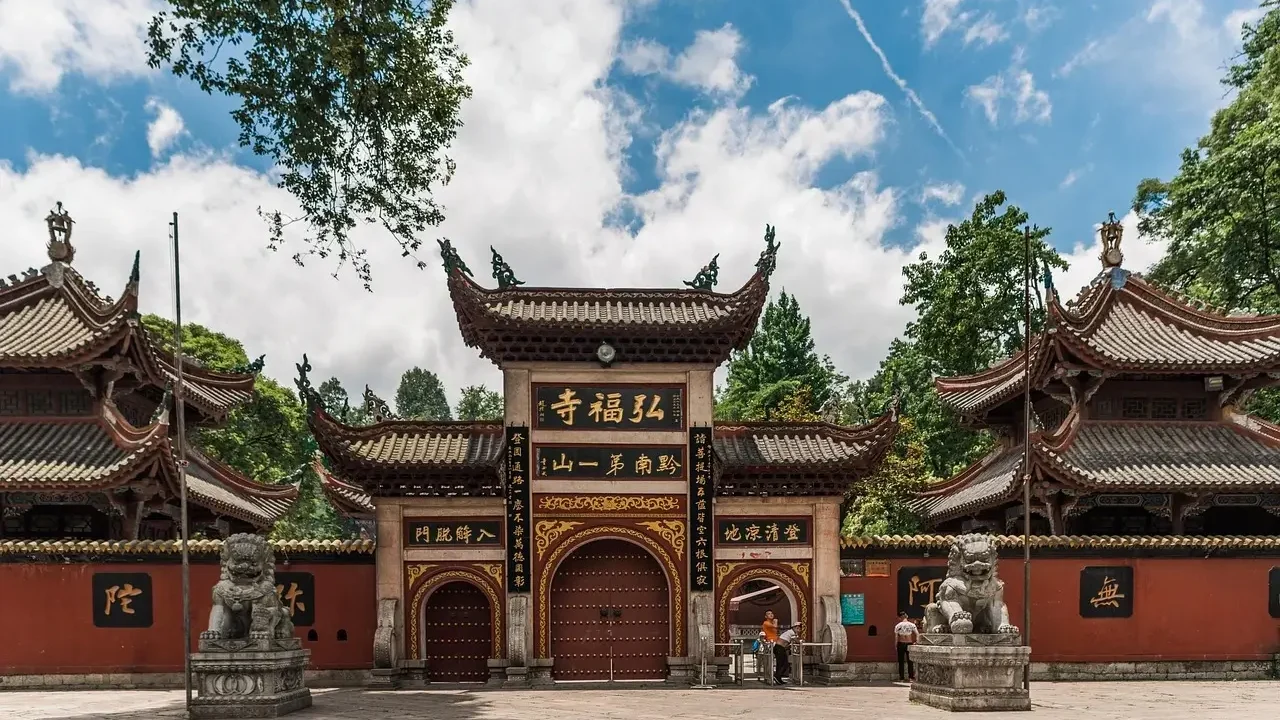
China’s relationship with scent goes back thousands of years—long before Western perfumery even existed. Ancient dynasties used fragrant woods, herbs, and resins in medicine, temples, and royal courts. Incense rituals were as common as tea ceremonies, symbolizing purity and mindfulness.
Yet, for much of the 20th century, China’s modern perfume industry lagged behind the West. Imported fragrances dominated the market, while domestic brands struggled to find their identity.
But in the past decade, something changed. Younger generations began to crave authenticity and self-expression. They didn’t want to simply wear French or American perfumes—they wanted scents that told their own story. This cultural shift sparked a renaissance in Chinese perfumery, merging the old and new into a modern olfactory art form.
🌿 Blending Tradition with Modern Minimalism:
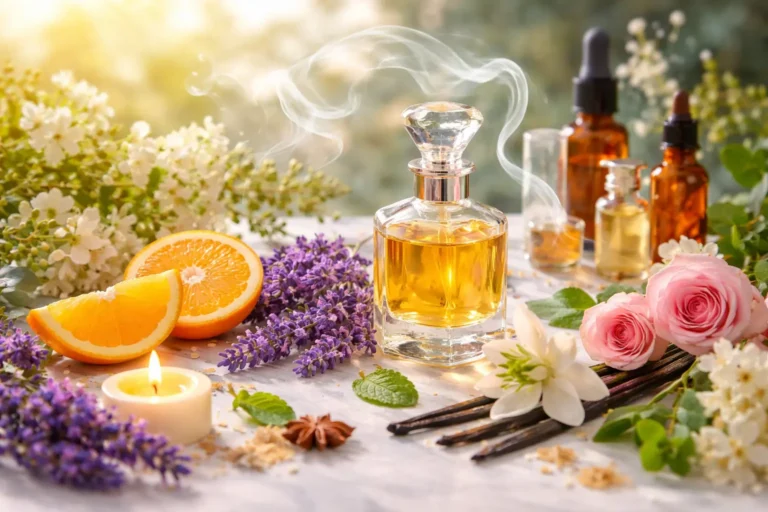
One of the most striking features of modern Chinese perfumes is their balance between traditional Chinese ingredients and contemporary aesthetics. Instead of overwhelming sweetness or heavy musks, Chinese perfumes tend to emphasize subtlety, clarity, and emotional depth.
Take for example To Summer (观夏), a Beijing-based brand founded in 2018. Its signature fragrance “White Narcissus” blends osmanthus, tea, and bamboo—notes deeply rooted in Chinese culture. Every bottle is designed with clean lines and poetic names, drawing inspiration from Chinese calligraphy and modern architecture.
Another key player is Documents, a Shanghai-born label that combines artistic storytelling with conceptual packaging. Their scents often capture a mood rather than a specific note—like “Unspoken Dialogues” or “After Rain,” evoking nostalgia and stillness in a distinctly Asian way.
This minimalist aesthetic resonates strongly with Gen Z and millennial consumers who are drawn to emotional storytelling and design-led experiences.
🐉 The Influence of Culture and Philosophy:
What sets Chinese perfumes apart isn’t just their ingredients—it’s their philosophical depth. Many brands draw inspiration from Confucian balance, Taoist harmony, and Buddhist mindfulness.
For instance, instead of creating a perfume to “attract attention,” Chinese perfumers often aim to evoke inner calm and harmony. Scents are treated as a reflection of one’s inner world, not just a fashion accessory.
This approach contrasts sharply with Western marketing, which often focuses on sensuality or status. Chinese perfumes, by contrast, whisper rather than shout. They invite you to explore your own emotions rather than projecting an external image.
🧪 Innovation Meets Artistry:
Chinese perfume houses are not just relying on tradition—they’re also investing heavily in research, technology, and sustainability. Brands like Scent Library and Aromag are using AI-assisted blending and eco-friendly extraction methods to craft high-quality, long-lasting fragrances that rival Western luxury brands.
Scent Library, for instance, gained viral fame in China for its quirky, nostalgic fragrances—like “Bookstore,” “Play-Doh,” and “Bubble Tea.” These scents capture the everyday joys of modern life in China, creating emotional connections rather than just olfactory pleasure.
Moreover, many new brands are designing refillable glass bottles, recyclable packaging, and plant-based formulas to meet the demands of environmentally conscious consumers.
🌸 The Power of Design and Storytelling:

In Chinese perfumery, design is never an afterthought. Each bottle is part of the brand’s storytelling.
For example, CRA-YON, though originally Swedish, inspired many Chinese perfumers to focus on minimalist design and emotional branding. Chinese labels quickly adapted, turning perfume packaging into collectible art.
Take DOCUMENTS’ sculptural bottles or To Summer’s ceramic diffusers—each reflects a careful fusion of craftsmanship, architecture, and emotion. Even the naming process is poetic: perfumes are titled with evocative words like “Poetic Fig,” “Amber Dream,” or “Silent Garden.”
This artistic approach transforms perfume into something more than a scent—it becomes an object of reflection, a cultural statement sitting elegantly on your shelf.
🌏 The Global Expansion Begins:
China’s perfume market is now one of the fastest-growing in the world, valued at over $2 billion in 2024 and expected to double within five years.
What’s even more interesting is how these brands are now reaching international markets. Western perfume lovers are starting to appreciate Chinese fragrances for their calm sophistication and cultural richness.
To Summer and Documents have already launched limited editions abroad, while niche boutiques in Paris, London, and New York are beginning to stock Chinese perfumes alongside established French brands.
This signals a profound shift: perfume is no longer a one-way export from West to East—it’s now a global exchange.
🕯️ Why Western Audiences Are Paying Attention:
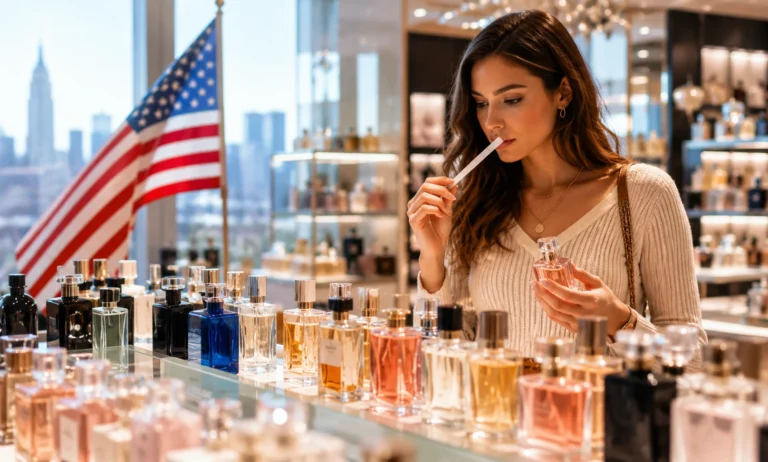
American consumers, in particular, are increasingly drawn to authentic cultural experiences. The rise of K-beauty and J-fashion showed that curiosity for Asian artistry runs deep. Now, Chinese perfumery is following a similar path—appealing to those who want something more meaningful than mass-market luxury.
A fragrance that tells a story, connects to an ancient philosophy, and feels personal—that’s what modern perfume lovers crave.
In a sense, Chinese perfumes remind us that scent isn’t just about smelling good; it’s about feeling connected—to memory, to culture, to oneself.
If you found this exploration of Chinese perfumery fascinating, you’ll love our detailed guide “How to Spot Fake Perfume: 7 Easy Ways to Protect Yourself.” It teaches you how to identify authentic perfumes and make smarter buying decisions—perfect for anyone curious about discovering genuine artistry in scent.
As China’s perfume artistry continues to bloom, one question remains — which Chinese fragrance would you want to experience first? Share your thoughts below and let your senses lead the conversation.
Discover more from Perfume Cultures
Subscribe to get the latest posts sent to your email.