
What Makes Dutch Perfume Houses Unique in the Global Fragrance Market
When people think of the global fragrance scene, countries like France or Italy usually come to mind. However, in recent years, Dutch perfume houses have quietly gained international attention — not through flashy marketing, but through a unique blend of craftsmanship, artistic vision, and sustainable innovation.
From Amsterdam to The Hague, the Netherlands has become an unexpected hub for niche fragrance brands that challenge traditional perfume norms and redefine what luxury smells like.
A Minimalist Nation with a Maximalist Sense of Creativity:
The Netherlands is known for its minimalist design, modern art, and practical culture — traits that also define its perfumery scene. Dutch perfumers often approach fragrance like art: thoughtful, precise, and emotionally expressive.
Unlike the opulent, heavy-handed styles typical of French haute perfumery, Dutch perfumes lean toward clean compositions, natural textures, and surprising contrasts.
Take for example Puredistance, a high-end Dutch perfume house founded by Jan Ewoud Vos in 2002. Each Puredistance perfume is created in collaboration with master perfumers from France and Switzerland but remains rooted in Dutch artistic philosophy — “beauty in simplicity.” Their fragrance Puredistance M is a refined leather scent inspired by Aston Martin design, combining British elegance with Dutch restraint.
This minimalist yet luxurious style has become a defining trait of the modern Dutch perfume identity.
The Rise of Independent and Artisanal Brands:
One of the strongest features of the Dutch perfume scene is its independence. While major fragrance conglomerates dominate markets in Paris, New York, and Milan, Dutch brands thrive on artisanal independence and small-batch production.
They’re not afraid to experiment, and that’s exactly what resonates with today’s consumers who seek authenticity over mass production.
A great example is Abel Odor, a sustainable perfume house based in Amsterdam. Founded by former winemaker Frances Shoemack, Abel focuses entirely on 100% natural ingredients and biodegradable formulations. Their philosophy? “To create the world’s best natural perfume.” Each scent, like Abel Cyan Nori (a salty, ocean-inspired fragrance), reflects the Dutch connection to nature and water — a theme deeply ingrained in the nation’s identity.
By prioritizing ethical sourcing and transparency, Abel has attracted a loyal following in the U.S., especially among environmentally conscious buyers searching for eco-friendly European perfumes.
Sustainability at the Heart of Dutch Perfumery:
The Dutch are global leaders in sustainability, and that eco-conscious mindset seamlessly extends into their fragrance industry. Sustainable perfumery isn’t a marketing trend in the Netherlands — it’s a cultural value.
Many Dutch perfume houses emphasize recyclable packaging, fair-trade ingredients, and low-impact production methods.
For instance, RvdK x United Perfumes, a collaboration between Dutch fashion designer Ronald van der Kemp and the London-based house United Perfumes, released the collection RvdK Eau de Parfum. It uses upcycled materials and natural essences to mirror Van der Kemp’s ethical haute couture philosophy.
This kind of creative sustainability shows how Dutch perfumers merge fashion ethics with olfactory artistry — something that deeply appeals to American audiences seeking purpose-driven luxury.
Blending Art, Design, and Scent:
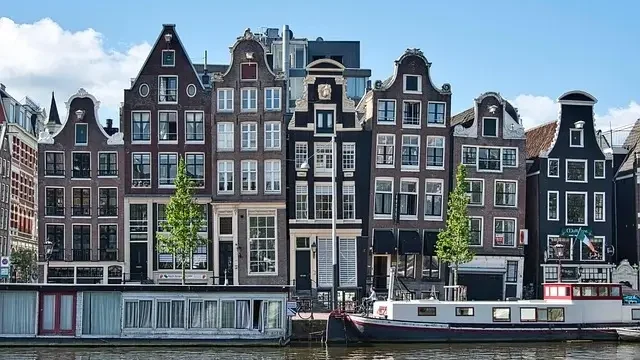
Dutch culture has always blurred the line between art and function — think of Rembrandt, Van Gogh, or modern Dutch design. That same spirit fuels the innovation behind many Dutch perfumes.
Perfume bottles often look like miniature art installations, and brand concepts read like museum exhibits.
The House of Puredistance is displayed like an art gallery, with each perfume treated as a limited-edition masterpiece. Similarly, Nomenclature Amsterdam, though smaller, collaborates with contemporary artists to design both the visual and olfactory identity of each scent.
Even newer niche brands like Zielinski & Rozen (originally from Tel Aviv but with a growing presence in Amsterdam) reflect Dutch aesthetics through clean design, hand-written labels, and minimalist boutique displays — attracting American tourists seeking authentic European niche perfume experiences.
Why American Consumers Are Drawn to Dutch Perfumes:
In the competitive U.S. market, Dutch perfume houses are becoming increasingly popular among fragrance enthusiasts who crave authenticity, craftsmanship, and sustainability.
The American niche perfume community — from New York to Los Angeles — is shifting away from celebrity-driven fragrances toward independent, story-driven brands. Dutch houses fit perfectly into that mindset.
Dutch perfumes also strike a balance that appeals to American taste: modern but timeless, natural but sophisticated, luxurious but understated.
They carry the kind of effortless elegance that aligns with a “quiet luxury” trend — the same aesthetic dominating American fashion and interior design.
Retailers like Twisted Lily, Luckyscent, and Olfactif have started importing more Dutch lines, and reviewers on Fragrantica and Reddit’s r/fragrance often praise their balanced compositions and ethical values. For U.S. buyers, owning a Dutch perfume means supporting artistry over advertising.
Top Dutch Perfume Houses to Explore:
If you’re ready to experience the best of the Netherlands through scent, here are some Dutch perfume houses worth exploring:
- Puredistance – Ultra-luxury, elegant, and timeless. Perfect for collectors.
- Abel Odor – 100% natural, sustainable, and modern; ideal for eco-conscious users.
- RvdK x United Perfumes – Ethical fashion meets bold olfactory design.
- Wiener Blut Amsterdam Collection – A sophisticated blend of history and contemporary style.
- Nomenclature Amsterdam – A futuristic approach to perfumery inspired by science and technology.
Each of these brands captures a different facet of Dutch creativity, proving that the Netherlands is quietly shaping the future of global perfumery.
Conclusion: The Scent of Dutch Innovation:
While France may remain the birthplace of traditional perfumery, the Netherlands is writing a new chapter — one defined by sustainability, minimalism, and emotion. Dutch perfume houses don’t chase trends; they craft experiences that feel honest and human.
For American fragrance lovers, exploring Dutch perfumes is like discovering a new artistic language — one that speaks softly but leaves a lasting impression.
So next time you’re looking for something different, skip the usual designer names and let a Dutch creation tell its story on your skin.
👉 Have you ever tried a Dutch perfume? Tell us which scent captured your imagination — and why Dutch artistry might just be the next big thing in your fragrance collection.
Discover more from Perfume Cultures
Subscribe to get the latest posts sent to your email.




One Comment