
Perfume, Myth, and Magic: The Scents Hidden in Arabian Nights

When readers open the pages of Arabian Nights (also known as One Thousand and One Nights), they step into a world filled with dazzling palaces, endless deserts, and timeless tales of love, power, and destiny. But woven throughout these stories is another presence—the language of perfume. Scents are never merely background details; they shape characters, set moods, and add a layer of myth and magic that makes these tales endure across centuries.
This article explores how perfume and fragrance are portrayed in Arabian Nights, why they mattered in the Middle East, and how the myths surrounding them continue to influence modern culture.
Scents as Symbols in Storytelling:
In Arabian Nights, scents are symbolic markers. A whiff of musk, a trail of incense, or the lingering sweetness of rose oil often signal more than beauty—they hint at mystery, status, and desire.
In many stories, fragrance defines a character before their actions do. A prince is recognized by the perfumes clinging to his robes, while a heroine’s presence is announced by the air of jasmine that precedes her. These descriptions remind readers that, in Middle Eastern culture, perfume has always been a status symbol and a sign of refinement.
Key phrase like “perfume in Arabian Nights” doesn’t just mean literal fragrance—it becomes shorthand for allure, magic, and cultural identity.
The Mythical Power of Perfume:
In ancient Middle Eastern traditions, perfume wasn’t only a matter of personal grooming—it carried spiritual and mythical significance.
Stories from Arabian Nights often portray perfumes and incenses as tools of transformation. Characters burn oud wood (agarwood) or ambergris not only for their rich aromas but also for their power to cleanse spaces, invite blessings, or even summon otherworldly beings.
The idea that perfume could bridge the human and the divine runs through many of the tales. To light incense was to step into a sacred ritual, a moment where ordinary life brushed against the magical unseen. This notion echoes ancient beliefs where fragrance was considered an offering to the gods, ensuring protection or favor.
The Role of Incense in Daily Rituals:
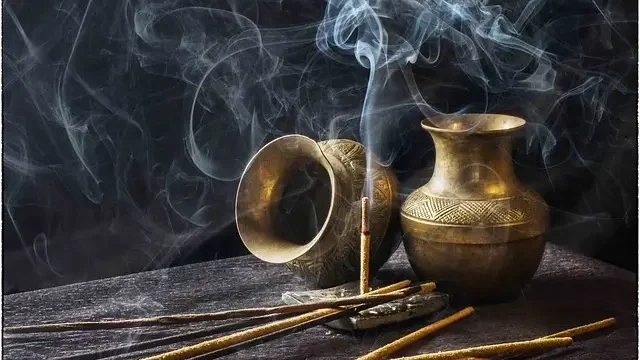
One of the most recurring scents in Arabian Nights is incense. From the bustling markets of Baghdad to the hidden chambers of sultans, incense smoke curls through the air, binding together moments of luxury, ritual, and secrecy.
In Middle Eastern culture, incense and resins such as frankincense, myrrh, and benzoin were part of everyday life. They marked religious ceremonies, welcomed guests, and protected households from evil spirits. Within the tales, burning incense becomes a literary shorthand for wealth and mystery—a detail that immediately transports the reader into another world.
For American readers today, recognizing the significance of incense in Arabian Nights offers a glimpse into how fragrance shaped cultural storytelling long before perfumes became bottled luxury.
Perfume and Desire:
Fragrance in Arabian Nights is also deeply tied to love, passion, and attraction. Many tales describe lovers whose beauty is amplified by perfumes, suggesting that desire is not just seen or heard but smelled.
Consider how a heroine’s hair is perfumed with rose water, or how a hero’s clothing carries notes of musk and sandalwood. These are not casual details—they remind us that in the world of the tales, perfume embodies intimacy. To share a fragrance was to share part of one’s inner world.
This theme reflects broader cultural practices, where perfumes and scented oils were exchanged as gifts between lovers, symbolizing both devotion and enchantment.
The Magical Associations of Fragrance:
Beyond desire and ritual, perfumes in Arabian Nights often carry magical associations. Certain resins and oils are used in spells, while enchanted gardens release fragrances capable of luring travelers into other realms.
In some stories, characters mix perfumes with rare herbs, creating elixirs that heal or intoxicate. In others, scents serve as signs of the supernatural: a sudden shift in the air, a mysterious aroma, an otherworldly perfume announcing the presence of a djinn.
For readers, this fusion of magic and perfume transforms fragrance into something more than a luxury—it becomes a portal into myth and imagination.
The Cultural Roots of Arabian Perfumery:
To understand why perfume holds such weight in Arabian Nights, we must look at the cultural roots of Middle Eastern perfumery.
The Middle East was historically a crossroads of trade, where spices, resins, and rare flowers traveled along the Silk Road. Cities like Cairo, Damascus, and Baghdad were centers of innovation in distillation and scent-making. Perfume was part of medicine, daily rituals, and courtly life, which is why its role in literature is so pronounced.
When the tales of Arabian Nights were collected and translated into European languages, readers in the West were dazzled not only by the exotic characters but also by the evocative descriptions of scents and fragrances unknown in their own cultures. This literary export helped fuel the West’s fascination with Middle Eastern perfume traditions.
The Lasting Influence on Modern Perfumery:
The mythical world of Arabian Nights still influences how modern perfumers create and market scents. Niche fragrance houses frequently release perfumes inspired by oud, amber, rose, and incense—all staples of Middle Eastern traditions that appear in the tales.
For American fragrance enthusiasts, wearing an oud-based perfume today carries a kind of cultural echo. It’s not just a scent—it’s a connection to centuries-old myths, trade routes, and storytelling traditions. This is why perfumes inspired by Arabian Nights often carry names like Sultan’s Dream, Amber Mystique, or Desert Rose—they invite wearers into the same enchanted world of myth and magic.
The fact that Arabian perfumery traditions still captivate the global fragrance industry shows the timelessness of their influence.
Myth, Magic, and Memory:
The beauty of Arabian Nights lies in how it combines myth and memory, turning everyday items like perfume into carriers of magic. To read these stories is to be reminded that fragrance has always been more than an accessory—it has been a language of culture, identity, and imagination.
Perfume in these tales is at once a symbol of status, a tool of desire, a spiritual offering, and a magical presence. It reflects the richness of Middle Eastern culture and its ability to weave scent and storytelling into something enduring.
For modern readers in the U.S., exploring the role of perfume in Arabian Nights offers not only cultural insight but also a chance to appreciate how deeply human our connection to scent truly is.
Conclusion: The Scented Legacy of Arabian Nights:
Perfume in Arabian Nights is never incidental—it is myth, magic, and memory bottled into words. It reveals how Middle Eastern cultures understood the power of fragrance to enchant, protect, seduce, and transcend.
Today, when we encounter perfumes inspired by oud, amber, or rose, we are not just wearing a scent—we are stepping into the same enchanted air that filled the palaces and markets of Scheherazade’s world.
Perfume in Arabian Nights reminds us that fragrance has always been more than just chemistry—it is culture, history, and myth, alive in every breath.
Discover more from Perfume Cultures
Subscribe to get the latest posts sent to your email.

One Comment