From Colonies to Closets: How Trade and Globalization Shaped the Perfume World
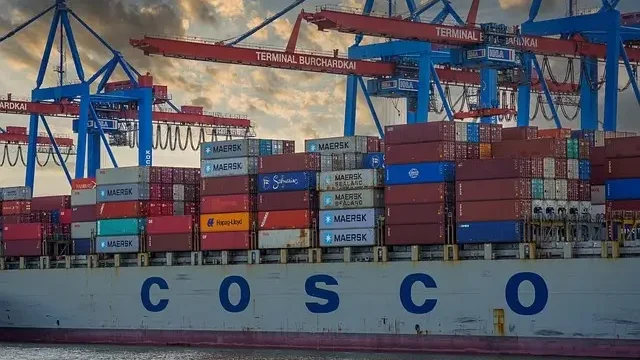
Perfume has never been just about smelling good. Behind every bottle lies a long story of trade, globalization, and cultural exchange. From the days when colonial ships carried exotic resins and spices across oceans, to the modern shelves of department stores in New York and Los Angeles, the journey of perfume reflects the broader history of global commerce.
This article explores how colonial trade routes and modern globalization shaped today’s fragrance industry, and why the United States has become one of the most influential markets for perfumes worldwide.
The Colonial Roots of Perfume Trade:
During the Age of Exploration, European empires expanded their reach to Asia, Africa, and the Middle East. Alongside gold and silk, they brought back fragrant treasures: frankincense from Arabia, myrrh from East Africa, sandalwood from India, and jasmine from Egypt. These raw materials became the backbone of early European perfumery.
The colonial trade system turned perfumes into a luxury product available only to the elite. French royalty in Versailles used scents as a mark of power and sophistication, while English merchants saw them as valuable commodities. By the 17th and 18th centuries, perfumes were no longer just personal accessories; they symbolized the reach and wealth of empires.
This link between colonial trade and perfume history is essential: without the global exchange of raw materials, modern perfumery would not exist.
Industrialization and the Democratization of Scents:
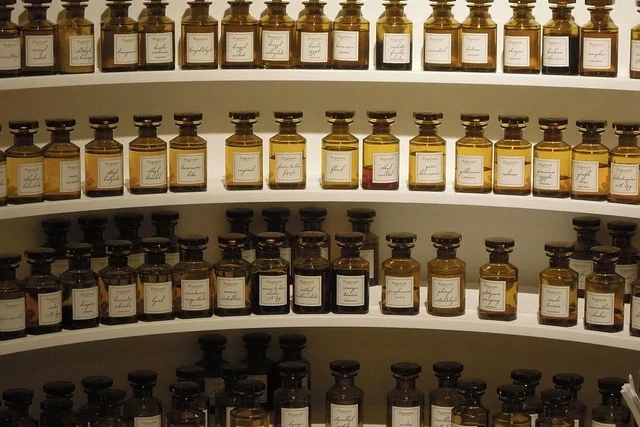
The 19th century changed everything. With the rise of industrialization, perfume production shifted from small workshops to larger factories. Steamships and faster shipping routes allowed raw materials to flow more freely across continents.
At the same time, chemists discovered how to create synthetic ingredients that mimicked natural ones—like vanillin to replace costly vanilla or coumarin as a substitute for tonka bean.
This meant that perfumes were no longer reserved for the aristocracy. Ordinary Americans and Europeans could now afford fragrances. In fact, the birth of modern brands such as Coty and Guerlain relied on this mix of natural colonial imports and synthetic innovations. The globalization of perfumes had truly begun.
Perfume and American Consumer Culture:
While Europe dominated perfume creation, the American perfume market became an essential driver in the 20th century. With the rise of Hollywood and advertising, perfume turned into a cultural symbol. Fragrances were marketed as part of an aspirational lifestyle—an idea that resonated strongly with American consumers.
Brands like Estée Lauder and later Calvin Klein and Tom Ford redefined how perfumes were presented. No longer just luxury imports, perfumes became accessible, desirable, and deeply tied to identity. Today, the U.S. is not only one of the largest perfume markets in the world but also a trendsetter in how fragrances are branded and sold.
Globalization and the Modern Perfume Industry:
Today’s fragrance industry is a perfect example of globalization at work. A single bottle of perfume may include rose oil from Bulgaria, oud from Southeast Asia, citrus from Brazil, and synthetic molecules from Swiss laboratories—all assembled and bottled in France or the United States before being sold worldwide.
This interconnected supply chain also raises important questions about sustainability and ethical sourcing. American consumers, in particular, are increasingly conscious of where ingredients come from and how they impact local communities. As a result, companies are shifting toward fair trade practices and eco-friendly perfumes.
From Luxury to Everyday Identity:
Perfume is no longer just a colonial luxury or a Hollywood status symbol. It has become part of everyday identity in the United States. Whether it’s a luxury perfume from Dior, a niche fragrance from a Brooklyn startup, or a celebrity perfume from the latest pop star, Americans view fragrance as a way to express individuality.
The modern fragrance industry is valued in the billions, fueled by both tradition and innovation. Online shopping, global shipping, and social media have made perfumes more accessible than ever, while also connecting American consumers to the deep historical roots of fragrance.
Conclusion: The Scent of Global History:
From the spice routes of colonial empires to the shelves of modern department stores, the story of perfume mirrors the story of globalization itself. It is a tale of trade, cultural exchange, and identity. For American consumers, every spray carries not just a pleasant aroma but also centuries of history and worldwide collaboration.
The next time you pick up a bottle of perfume, remember: it is more than a fragrance. It is a living reminder of how colonies shaped closets, and how globalization continues to define the scents we wear today.
Which fragrance in your collection do you think carries the strongest story of trade and globalization? Share your thoughts—we’d love to hear your scent journey.
Discover more from Perfume Cultures
Subscribe to get the latest posts sent to your email.