

Is Bleu de Chanel Worth It or Overpriced?
✨Expensive Does Not Always Mean Overpriced
Bleu de Chanel is undeniably expensive. But expensive and overpriced are not the same thing.
Few luxury fragrances are easier to recommend. Bleu de Chanel smells polished, works across an unusually wide range of occasions, and carries one of the most recognizable names in fragrance. Yet its retail price sits well above many capable designer competitors, while Parfum and L’Exclusif cost enough to place serious niche fragrances within reach.
That creates the question every careful buyer eventually asks: Does Bleu de Chanel deliver enough quality and usefulness to justify its price—or are you paying too much for the Chanel name?
The answer depends less on concentration and more on what you value. Bleu de Chanel can be an excellent investment for someone who wants one refined signature scent for work, dates, travel, and formal events. It can feel overpriced to someone who prioritizes extreme projection, unusual artistry, or the greatest possible longevity for every dollar spent.
Quick verdict: Bleu de Chanel is expensive, but it is worth the money for the right buyer. The Eau de Parfum offers the best overall value for most people; the EDT is the smartest choice for freshness and hot weather; the Parfum earns its premium through smoothness and refinement rather than loudness; and L’Exclusif is worth its higher price only if its darker, richer character will receive regular wear.
If you are still deciding which concentration suits you, our complete Bleu de Chanel guide explains the scent, performance, strengths, and ideal buyer for all four versions.
❓ Is Bleu de Chanel Worth It or Overpriced?
Bleu de Chanel is worth it for buyers who value versatility, refined scent quality, luxury presentation, and frequent wear. It may be overpriced for people prioritizing extreme projection, rarity, or maximum longevity per dollar. For most first-time buyers, Bleu de Chanel Eau de Parfum provides the best balance of quality, performance, and usability.
Price and value are not the same. Price is what the bottle costs; value is how well it serves your lifestyle.
A premium fragrance worn three times per week can provide better practical value than a cheaper bottle worn twice per year. Conversely, an impressive Chanel bottle becomes poor value if its performance frustrates you, its scent overlaps with your collection, or its style does not suit your climate.
| Buying factor | Why Bleu de Chanel may be worth it | Why it may feel overpriced | Verdict |
|---|---|---|---|
| Scent quality | Smooth, polished, and carefully balanced | Not especially unusual or experimental | High quality, moderate uniqueness |
| Versatility | Covers work, dates, travel, formal events, and daily wear | Specialized scents may outperform it in one setting | A major strength |
| Performance | Richer versions provide satisfying persistence | Projection often becomes controlled | Good, not “beast mode” value |
| Presentation | Luxury bottle, packaging, recognition, and gifting appeal | The Chanel name clearly contributes to the price | Valuable if ownership experience matters |
| Collection role | One bottle can replace several narrow-purpose scents | Redundant in a large blue-fragrance collection | Best for small or intentional wardrobes |
| Cost per wear | Can become reasonable with frequent use | Weak value if reserved for rare occasions | Frequency matters most |
💳 What Are You Really Paying For?
Bleu de Chanel’s price combines tangible quality with emotional luxury.
First, you are paying for a controlled scent profile. Citrus, aromatics, cedar, sandalwood, musky woods, and subtle incense-like warmth are blended to feel smooth rather than aggressive. Nothing is pushed so far that the fragrance becomes difficult to wear.
Second, you are paying for versatility. Many fragrances perform one role brilliantly but struggle elsewhere. A sparkling citrus may be perfect in summer and disappear in winter; a sweet amber may attract attention on cold dates and feel oppressive at work. Bleu de Chanel—especially the EDP—covers more situations with fewer compromises.
Our detailed Bleu de Chanel Eau de Parfum review explains why it works so well as a single-bottle signature: it keeps enough freshness for daytime while adding enough woody warmth for evenings and cooler weather.
Third, part of the price pays for Chanel. The bottle, magnetic cap, packaging, boutique experience, recognition, and reputation contribute to ownership. These benefits matter most when the fragrance is a gift, a first luxury purchase, or something you expect to enjoy for years. Buyers interested only in the liquid may assign them little value.
Finally, you are paying for reliability. Bleu de Chanel is easy to understand, appropriate across age groups, and unlikely to become socially awkward as trends change. Reliability can feel boring to an experimental collector, but it is valuable to someone who wants to smell consistently polished without analyzing every occasion.
👃 Does Bleu de Chanel Smell Expensive Enough?
Bleu de Chanel smells expensive through smoothness and control—not through an eccentric niche effect.
The opening does not feel disconnected from the dry-down. Fresh citrus and aromatics move naturally toward cedar, sandalwood, clean woods, soft amber, or labdanum depending on the version. Even when individual notes are difficult to isolate, the composition feels deliberate.
The EDT proves that quality and density are not the same. It is lighter than the later versions, but its bright citrus-aromatic opening and dry woody structure can still feel elegant. The complete Bleu de Chanel Eau de Toilette review examines why that freshness succeeds and why moderate longevity is its main value concern.
🌊 Refined, but No Longer Rare
Bleu de Chanel helped shape the modern expectation of a versatile blue fragrance. Its success also encouraged countless scents built around citrus, aromatics, clean woods, musk, amber-like radiance, and incense.
The result is a paradox: Bleu de Chanel can smell more polished than many competitors while feeling less original than it once did. Familiarity does not make it cheap, but it reduces the sense of discovery.
Popularity has practical advantages. The fragrance is easy to test, broadly liked, and socially safe for offices, travel, interviews, dates, and formal events. But buyers seeking a rare signature may dislike paying luxury prices for a scent family others recognize.
Bleu de Chanel communicates taste, cleanliness, and composure more effectively than rebellion or individuality. Its quality remains real; its exclusivity is limited.
💎 Is the Chanel Name Doing Too Much Work?
Branding helps create desire, but the fragrance would not have remained successful through multiple releases if the experience were supported by branding alone. The collection offers clear progression: brighter freshness in EDT, greater balance in EDP, smoother woods in Parfum, and darker density in L’Exclusif.
Still, the logo should never replace skin testing. If a cheaper fragrance smells equally satisfying to you, Chanel’s prestige cannot make the original objectively better value.
📡 Performance vs Price: The Hardest Value Test
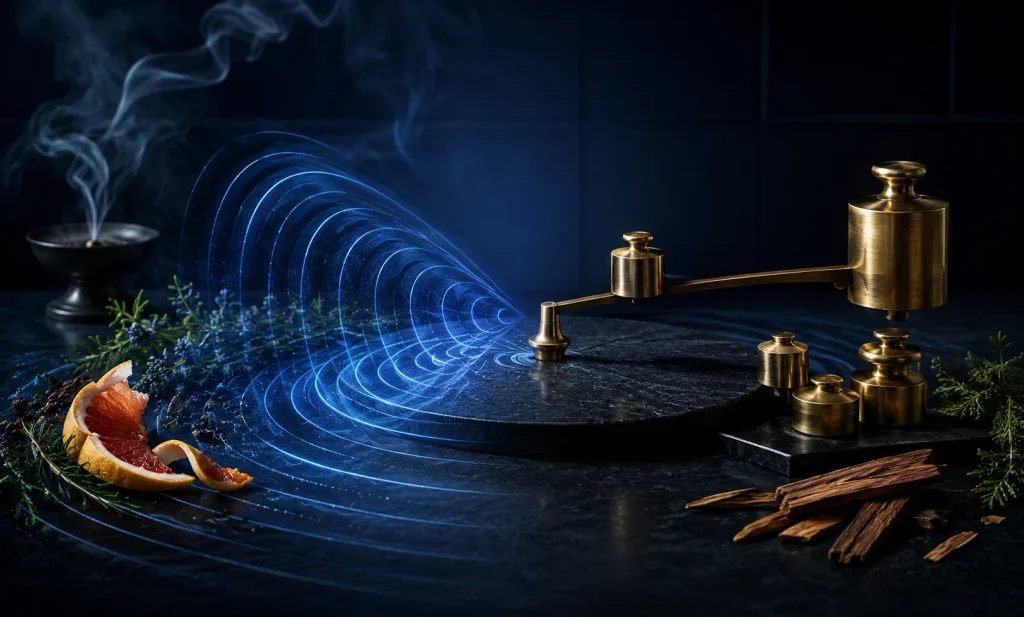
Performance is the strongest argument for calling Bleu de Chanel overpriced. The bottles look substantial, the concentration names imply increasing strength, and the prices encourage expectations of all-day projection.
In practice, Bleu de Chanel favors controlled presence over continuous room-filling power. The opening may project clearly before settling into a polished personal scent bubble that remains detectable closer to the body.
Typical performance estimates are approximately:
- Eau de Toilette: five to seven hours, with the brightest opening and fastest decline.
- Eau de Parfum: six to eight hours for many wearers, with a steadier woody presence.
- Parfum: seven to ten hours, usually smooth and increasingly intimate.
- L’Exclusif: eight to twelve hours or more on some wearers, with the greatest density.
These are realistic ranges, not guarantees. Skin chemistry, climate, spray count, clothing, storage, and sensory adaptation can change the result.
🚀 Longevity Is Not Projection
A fragrance can remain on skin for nine hours without projecting strongly for nine hours. This distinction matters most with Parfum. Some buyers smell its sandalwood late into the day and consider the performance excellent; others notice its restrained scent cloud and feel disappointed by the price.
They are measuring different outcomes.
Controlled projection is valuable in offices, restaurants, flights, formal events, and close dates. It becomes poor value if your goal is to dominate a crowded room. Paying more for a richer concentration does not guarantee proportionally louder performance.
🌡️ Climate Changes the Verdict
The EDT and EDP often deliver better practical value in hot climates because their freshness encourages regular use. Parfum remains wearable with controlled application, particularly indoors or at night, while L’Exclusif can become too dense for frequent daytime wear.
Do not pay more for richness if your environment will make you wear the fragrance less. The most luxurious bottle can produce the worst cost per wear.
🧠 Check for Nose Blindness Before Blaming the Bottle
The wearer may adapt to persistent woody and musky materials while other people still detect them. Before deciding that your bottle is weak, change spray placement, test it on clothing, and ask someone you trust after several hours. Overspraying may make the opening harsher without significantly extending performance.
🏆 Which Bleu de Chanel Version Offers the Best Value?
Bleu de Chanel Eau de Parfum offers the best value for most buyers because it balances freshness, woody depth, longevity, and year-round versatility. The EDT is best for heat, the Parfum is worth paying more for when smooth sandalwood matters more than projection, and L’Exclusif suits buyers who will regularly wear its darker luxury.
The line is not a staircase where every higher price buys an objectively better fragrance. Each concentration performs a different job.
| Version | 100 ml U.S. retail price* | Main character | Best value for | Main value risk |
|---|---|---|---|---|
| Eau de Toilette | $142 | Bright, citrusy, aromatic, dry woody | Hot weather and freshness lovers | May feel too fleeting for the price |
| Eau de Parfum | $173 | Balanced, smooth, fresh, warm woody | One-bottle versatility | Familiar profile and moderate projection |
| Parfum | $210 | Creamy, refined, sandalwood-focused | Quiet luxury, dates, and formal wear | More money does not mean more loudness |
| L’Exclusif | $275 | Dark, ambery, resinous, sandalwood-rich | Cold weather and upscale evenings | Highest price and lowest daily versatility |
Official U.S. prices observed in August 2026; prices and availability may change.
🍋 Eau de Toilette: Best for Freshness
The EDT offers the brightest citrus, most energetic opening, and easiest wear in high heat. That usefulness can outweigh its shorter performance for warm-weather buyers.
Its weakness is straightforward: longevity is less dependable than in the richer versions. It is worthwhile when you specifically want freshness—not merely the least expensive bottle carrying the Bleu de Chanel name.
Value verdict: Worth it for heat, daytime wear, and crisp energy; potentially overpriced for longevity-focused buyers.
🌊 Eau de Parfum: Best Overall Purchase
The EDP is the collection’s sweet spot. It is fresher and more adaptable than the darkest versions, yet warmer, smoother, and generally longer-lasting than the EDT. It works at the office, during travel, on dates, at weddings, and through most seasons.
Its premium over the EDT buys broader usefulness. For someone choosing one Bleu de Chanel, the EDP is most likely to be emptied rather than admired on a shelf.
Its limitation is familiarity. Collectors who already own several blue fragrances may gain quality without gaining a new function.
Value verdict: The strongest balance of price, performance, and frequency of use.
🌲 Parfum: Pay for Texture, Not Volume
Parfum moves the value proposition toward creamy sandalwood, cedar, warmth, and a more composed dry-down. It is richer and more persistent, but it does not necessarily create a larger scent cloud.
The Bleu de Chanel Parfum review is important before purchase because the concentration name can create the wrong expectation. Its luxury is experienced through smoothness and close-range quality.
The premium suits buyers who prefer mature woods, tailored presentation, dates, and formal settings. It makes less sense for anyone expecting every extra dollar to produce more projection.
Value verdict: Worth it for sandalwood and quiet elegance; overpriced if concentration means loudness to you.
🌑 L’Exclusif: Richest Scent, Narrowest Value
L’Exclusif is the darkest and most expensive interpretation. Sandalwood becomes denser, while woody amber and labdanum add resinous, warm, and subtly leathery shadows. It feels more distinctive than the earlier releases and can deliver impressive persistence.
Our Bleu de Chanel L’Exclusif review explains why it should be treated as a specialized luxury purchase rather than an automatic upgrade.
Its problem is not quality but opportunity. It is less comfortable in severe heat, less casual, and less adaptable during the day. A collector may use it regularly for evenings and cold weather; a first-time buyer seeking one bottle may leave it unused too often.
Value verdict: Worth it for committed fans seeking the richest Bleu experience; overpriced as an untested one-bottle purchase.
🥇 Value Winners by Buyer Type
- Best overall value: Eau de Parfum
- Best value in hot weather: Eau de Toilette
- Best for refined formal wear: Parfum
- Best for dark luxury: L’Exclusif
- Safest first full bottle: Eau de Parfum
- Most important to sample first: L’Exclusif
The EDP wins for most people because value combines scent quality, performance, adaptability, and the number of real situations in which you will reach for it.
👤 Who Will Find Bleu de Chanel Worth the Money?

🧥 The One-Bottle Buyer
Bleu de Chanel is easiest to justify in a small fragrance wardrobe. The EDP can cover professional settings, dates, travel, dinners, and formal occasions without feeling misplaced. One premium bottle performing several jobs may cost less than several cheaper specialist scents.
🗓️ The Frequent Wearer
Someone who wears fragrance most days can extract considerable value from Bleu de Chanel. Its moderate sweetness and controlled character make repeated wear easier than many dense releases. A bottle that becomes part of your routine is usually more valuable than a “special” scent you hesitate to spray.
💼 The Professional
The EDP and Parfum can smell composed and mature at conversational distance. Their restraint is useful during meetings, client interactions, flights, restaurants, and shared workspaces where aggressive projection would become a liability.
🎁 The Luxury Gift Buyer
The Chanel name, bottle, packaging, and broad appeal make Bleu de Chanel a dependable gift. Gifts are not judged only by performance; recognition and the experience of opening them matter.
🧭 The Buyer Who Values Low Risk
Bleu de Chanel can be dressed up or down and worn across a wide age range. That ease may not excite a collector, but it has practical value for someone who wants to smell excellent without planning around the fragrance.
💙 The Buyer Who Truly Loves the Scent
If Bleu de Chanel increases your confidence and makes you want to wear fragrance regularly, a cheaper substitute that leaves you thinking about the original may not be better value. Emotional satisfaction is part of luxury—provided the purchase fits comfortably within your budget.
🚫 Who May Find It Overpriced?
Bleu de Chanel is harder to justify for performance-first buyers. Many less expensive fragrances are louder, sweeter, or longer-lasting. Chanel’s refinement will not compensate if projection radius is your main measurement.
It can also be poor value for collectors who already own several polished blue fragrances. In that wardrobe, Bleu de Chanel may add quality without adding a new role.
Strict value shoppers may resent paying for branding, presentation, and prestige. Buyers living in persistent heat may also underuse Parfum or L’Exclusif, making the less expensive EDT or balanced EDP more sensible.
Blind buying creates another risk. “Mass appealing” does not mean guaranteed. Some people dislike the dry woods, incense-like shadow, familiar profile, or controlled projection. A sample is cheaper than discovering those objections after buying a large bottle.
Finally, no fragrance is worth financial discomfort. If purchasing Bleu de Chanel means delaying essential expenses or feeling guilty every time you spray it, the bottle is overpriced for your current situation regardless of its quality.
🔄 Cheaper Alternatives and Opportunity Cost
The strongest argument against Bleu de Chanel is the number of alternatives available at lower prices. You may find a blue fragrance with stronger projection, buy separate summer and winter scents, or explore discounted designers with more distinctive personalities.
But similarity in the opening does not guarantee the same wearing experience. An alternative may reproduce citrus and clean woods while missing the transitions, smoothness, balance, bottle quality, or emotional satisfaction that attracted you to Chanel. It may also be sweeter, harsher, or less versatile.
Choose Bleu de Chanel when you value polish, broad usefulness, official presentation, and the specific dry-down. Choose an alternative when budget matters most, raw performance is your priority, or you genuinely prefer the competitor after testing both.
The worst decision is buying several substitutes while continuing to want the original. The second-worst is paying for Chanel when a cheaper fragrance honestly satisfies you just as much.
🛒 How to Buy Bleu de Chanel Without Overpaying
- Sample the exact concentration. Liking the EDP does not guarantee that you will prefer Parfum or L’Exclusif. Test each candidate on skin for a full day.
- Choose by use case, not status. If your choice is between the freshest options, our Bleu de Chanel EDT vs EDP comparison clarifies whether freshness or broader performance deserves your money.
- Match bottle size to certainty. A larger bottle lowers the cost per milliliter but raises the upfront cost and risk of unused fragrance.
- Compare the delivered price. Include tax, shipping, bottle condition, return policies, and seller reliability. A suspiciously low price is not a saving if authenticity is uncertain.
- Buy from a trustworthy source. Chanel, its boutiques, and authorized retailers provide the lowest-risk route. Reputable sellers may offer value, but authenticity matters more than chasing the absolute lowest listing.
❓ Frequently Asked Questions
Is Bleu de Chanel overpriced because you pay for the name?
The Chanel name contributes to the price, but buyers also receive polished blending, versatility, presentation, and low social risk. It becomes overpriced when those benefits do not matter to you.
Which version offers the best value?
Bleu de Chanel EDP offers the best value for most people because it balances freshness, depth, performance, and year-round usability.
Is Bleu de Chanel worth full retail price?
Yes, when authenticity, pristine presentation, easy returns, and official service matter. Value shoppers can compare reputable retailers, but uncertain sellers rarely justify a small saving.
Is the EDT poor value because it lasts less?
Not necessarily. Its bright freshness may receive more use in hot weather. It becomes poor value only when purchased with unrealistic all-day expectations.
Does Parfum perform twice as well as EDT?
No. Its higher price buys greater smoothness, woody depth, and persistence—not twice the longevity or projection.
Is L’Exclusif worth the premium?
Yes, for buyers who want the darkest, richest interpretation and will wear it regularly. It is harder to justify for hot-weather daily use or as a blind first purchase.
🏁 Final Verdict: Luxury Value or an Overpriced Name?
Bleu de Chanel earns its price through polish, versatility, presentation, and repeated wear—not extreme power or rarity. The EDP is worth it for most buyers; choose EDT for heat, Parfum for quiet elegance, and L’Exclusif only when its darker luxury fills a real gap.
Bleu de Chanel becomes overpriced when you buy the logo, the richest concentration, or the largest bottle without matching it to your life. It becomes worthwhile when you choose the version you will actually wear.
The smartest purchase is not the richest Bleu de Chanel. It is the one that earns the most days on your skin.
💬 Your Turn
Which matters more to you when judging Bleu de Chanel: its versatility and refinement, or stronger performance for the money?
Discover more from Perfume Cultures
Subscribe to get the latest posts sent to your email.



3 Comments