🥗 The Surprising Use Of Radish In Perfume Making
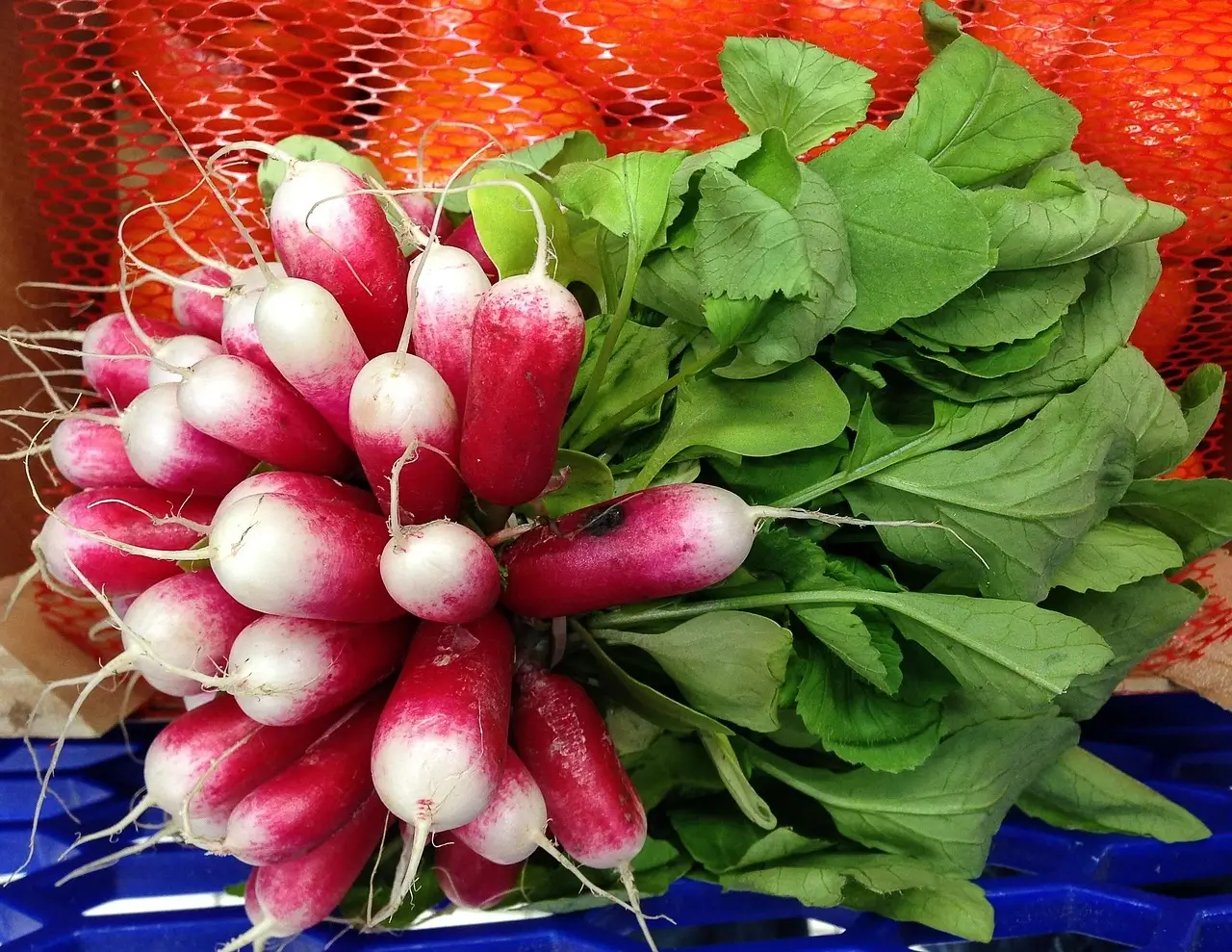
When most people think about perfumes, they imagine floral roses, zesty citrus, or rich woody notes. Rarely does a humble vegetable like radish come to mind. Yet, in the world of modern perfumery, this crunchy root is quietly making its mark. From adding a fresh, peppery twist to balancing complex fragrance blends, radish is proving that sometimes, the most unexpected ingredients can create the most memorable scents.
In this article, we’ll explore how radish in perfume making is more than a novelty—it’s a creative tool perfumers are increasingly using to surprise and delight.
🌿 Why Radish? The Unexpected Aroma
Radish is known for its sharp, peppery bite in the culinary world. But in perfumery, it contributes a subtle, green-spicy note that enhances freshness without overpowering other ingredients. The natural compounds in radish, such as isothiocyanates, are responsible for this unique scent profile.
Perfumer and fragrance designer, Elise Martin, explains, “Using radish extract allows us to introduce a crisp, almost watery freshness that blends surprisingly well with floral and woody notes. It’s about creating contrast and interest in a fragrance.”
This is why radish-based notes are being incorporated into:
- Niche and artisanal perfumes
- Green and natural-inspired fragrances
- Limited-edition luxury perfumes that experiment with unconventional ingredients
🧪 How Radish Is Extracted For Perfume
Creating a perfume note from radish isn’t as simple as tossing a root into a bottle. There are two main methods perfumers use:
| Method | Process | Fragrance Effect |
|---|---|---|
| Cold-pressing | Fresh radishes are pressed to extract essential oils | Yields a sharp, green aroma perfect for top notes |
| Solvent extraction | Uses gentle solvents to capture aromatic compounds | Produces a softer, more balanced scent suitable for blends |
These methods ensure that the spicy, fresh character of radish is preserved while making it compatible with other perfume ingredients like bergamot, vetiver, or jasmine.
🌸 Radish in Different Perfume Families
Radish is surprisingly versatile. Its subtle spiciness works across multiple fragrance categories:
1️⃣ Citrus & Green Perfumes
Radish complements zesty citrus fruits like lemon, lime, and grapefruit. It enhances the crisp, invigorating aspect of these scents, creating perfumes perfect for spring and summer wear.
2️⃣ Floral Compositions
In floral perfumes, radish adds a green freshness that balances overly sweet or powdery flowers. For example, pairing radish with peony or freesia gives a bouquet-like perfume a modern, edgy twist.
3️⃣ Woody & Earthy Fragrances
When blended with woody notes such as cedarwood, sandalwood, or vetiver, radish introduces a lively contrast. The peppery nuance keeps the scent from feeling too heavy or monotonous.
🍃 Case Study: Niche Perfume Using Radish
One notable example is “Verde Radiante”, a niche perfume released by a small artisanal house in Malaysia. Here’s what makes it stand out:
| Note Type | Ingredients | Role |
|---|---|---|
| Top | Radish, Bergamot, Cucumber | Adds freshness, green-spicy kick |
| Heart | Freesia, Jasmine, Green Tea | Floral balance, watery character |
| Base | Vetiver, Musk, Oakmoss | Anchors freshness, adds longevity |
The radish top note immediately draws attention, giving the perfume a crisp, invigorating start. This shows that even unconventional ingredients can define a signature scent.
🔍 Why Radish Works in Perfume Blends
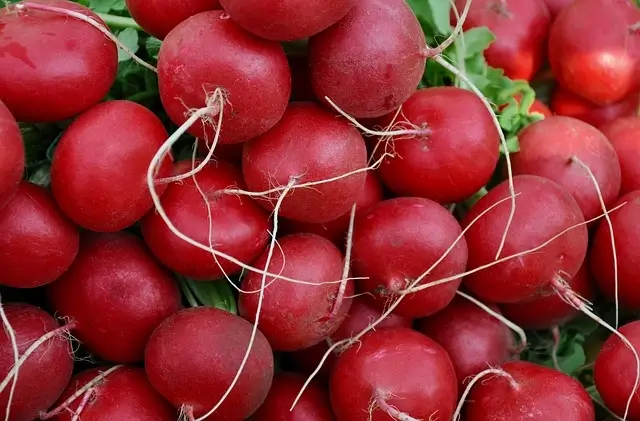
Radish’s appeal lies in its ability to bridge different scent families. Here’s why perfumers love it:
- Enhances freshness: Perfect for summer fragrances or daytime wear
- Adds subtle spice: Provides depth without overpowering florals or citruses
- Balances sweetness: Keeps gourmand or floral perfumes from smelling cloying
- Supports green compositions: Pairs well with leafy, aquatic, or herbal notes
In short, radish acts like a natural perfume enhancer, making other notes pop while maintaining harmony.
🌎 Cultural Influence and Innovation
While radish might seem unusual in Western perfumery, using vegetables and edible plants is part of a broader trend in global fragrance innovation. Many Asian and European perfumers have embraced ingredients like cucumber, tomato leaves, and even carrot root to create unique green notes.
Radish, in particular, is gaining popularity because it resonates with the growing demand for natural and unexpected perfume elements. Perfume lovers increasingly seek scents that are fresh, quirky, and distinctive, making radish an ideal choice.
If you enjoy exploring unusual perfume ingredients, check out our previous article: What Makes Bolivian Perfume Houses Stand Out. It dives into another fascinating example of how regional cultures and ingredients shape modern luxury fragrances. Both radish and Bolivian perfume innovations illustrate how creative perfumers are turning everyday produce and local traditions into olfactory art.
💡 Tips for Perfume Enthusiasts:
If you’re curious about experiencing radish in perfumes:
- Look for artisanal brands: Small perfume houses are more likely to experiment with unusual notes.
- Test perfumes in person: Radish’s freshness is subtle, so smelling it directly on skin is key.
- Blend at home: If you enjoy DIY, you can experiment with radish tinctures in personal fragrance projects, pairing it with citrus or floral oils.
Even a hint of radish can make a fragrance feel alive, modern, and unexpected.
❓ The Takeaway
Radish in perfume making may sound surprising, but it demonstrates how creativity and science merge in perfumery. From fresh, green top notes to subtle spicy nuances, radish proves that even the most ordinary ingredients can become extraordinary when used thoughtfully.
Next time you’re sampling fragrances, keep an eye out for green-spicy surprises. Who knows? A humble root like radish might just steal the show.
Have you ever smelled or worn a perfume with an unusual ingredient like radish? Share your experience in the comments below—we’d love to hear which quirky notes captured your imagination!
Discover more from Perfume Cultures
Subscribe to get the latest posts sent to your email.