
Why Does Your Perfume Smell Different Over Time?
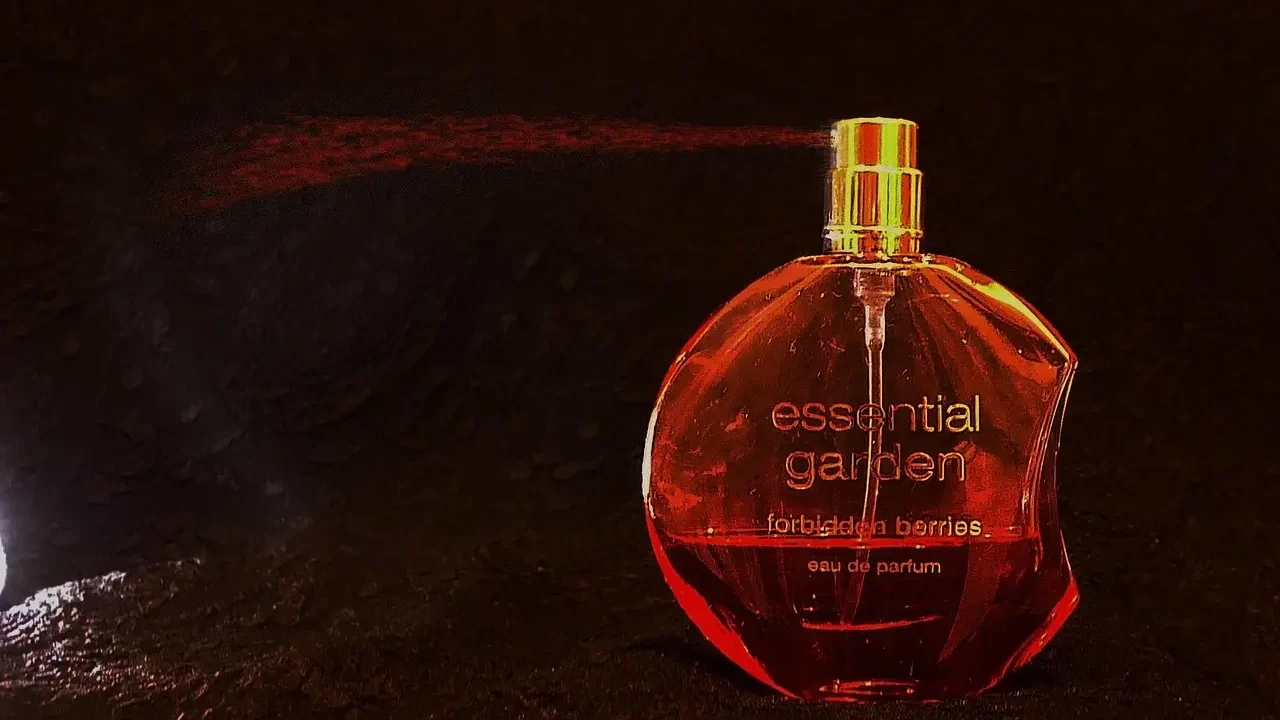
Perfume enthusiasts often notice that their favorite fragrances evolve in scent over time. While this can be a delightful experience, it also raises questions about the reasons behind these changes. Understanding the factors that influence a perfume’s aroma can enhance your appreciation and care for these cherished scents.
1- Oxidation: The Natural Aging Process:
Over time, exposure to air causes the alcohol in perfumes to evaporate, leading to a more concentrated scent. This process, known as oxidation, can alter the fragrance’s composition. As oxidation progresses, the top notes may diminish, leaving behind the more stable base notes, which can sometimes result in a scent that feels richer or deeper
2- Exposure to Light and Heat:
Perfumes are sensitive to environmental factors. Prolonged exposure to light and heat can accelerate chemical reactions within the fragrance, leading to changes in its scent. To preserve the integrity of your perfume, it’s advisable to store it in a cool, dark place, away from direct sunlight and temperature fluctuations
3- Skin Chemistry: Personal Influence on Scent:
The way a perfume smells can vary depending on individual skin chemistry. Factors such as skin type, pH levels, and body temperature can influence how fragrance molecules interact with your skin. For instance, oily skin tends to retain scents longer, while dry skin may cause fragrances to dissipate more quickly
4- Aging of Natural Ingredients:
Perfumes containing natural ingredients, like citrus or floral notes, can change over time as these components age. Natural oils are more susceptible to oxidation, which can alter their scent profile. Conversely, synthetic ingredients are often more stable, leading to a more consistent fragrance over time
5- Reformulation by Manufacturers:
Occasionally, perfume manufacturers may reformulate their products due to changes in regulations, ingredient availability, or to improve safety. These modifications can lead to subtle differences in the scent of a perfume, even if the product name remains the same
Conclusion:
Understanding the factors that influence a perfume’s scent over time can help you better appreciate and care for your fragrances. By considering elements like oxidation, environmental exposure, personal skin chemistry, and potential reformulations, you can ensure that your perfume continues to provide the delightful experience you expect.
Have you ever noticed your favorite perfume changing its scent over time? Share your experience in the comments—we’d love to hear your story!
Discover more from Perfume Cultures
Subscribe to get the latest posts sent to your email.



One Comment