🌸 Why Japanese Perfume Are the Hidden Gems of the Fragrance World
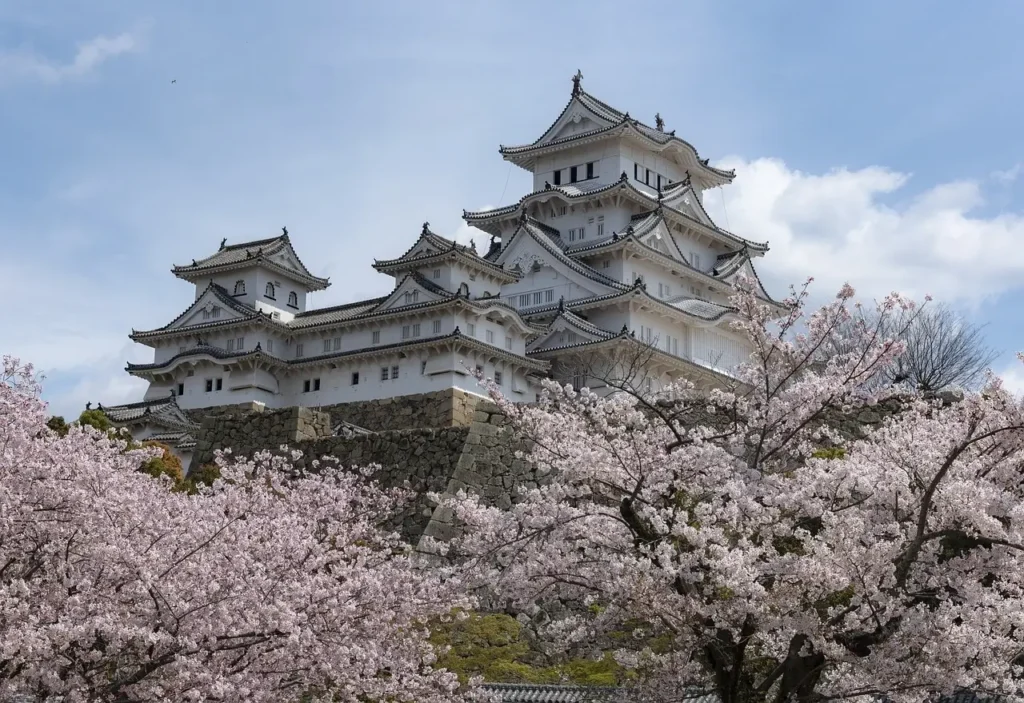
When you think of perfume, your mind probably travels to Parisian ateliers or Italian luxury houses. But hidden across the Pacific lies a world of fragrance artistry that’s subtle, soulful, and deeply rooted in culture — Japanese perfume. While not as globally famous as their French or Middle Eastern counterparts, Japanese fragrances embody a quiet sophistication that’s starting to capture the hearts of perfume lovers worldwide.
The Japanese Philosophy of Scent:
In Japan, scent isn’t just about attraction — it’s about emotion, mindfulness, and balance. The Japanese word “Kōdō”, which translates to “the way of fragrance,” reflects a centuries-old tradition of appreciating scent as an art form. Just as tea ceremonies celebrate the ritual of simplicity and respect, Kōdō celebrates the beauty of subtle aromas that evoke peace and reflection.
Unlike many Western perfumes that aim to make a bold, lingering impression, Japanese scents are designed to whisper rather than shout. They harmonize with the body’s natural scent instead of overpowering it. This philosophy mirrors Japanese aesthetics such as “wabi-sabi” — the beauty of imperfection and transience.
Minimalism Meets Mastery:
Step into any Japanese perfume boutique and you’ll notice a theme: minimalist design, soft lighting, and bottles that resemble fine art more than luxury. The focus isn’t on flashy branding — it’s on the experience.
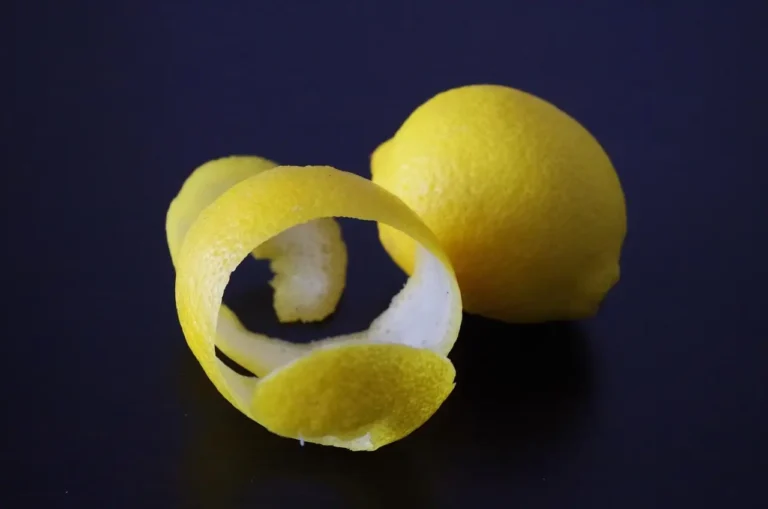
Japanese perfumers are meticulous. Every ingredient is chosen for purity, every balance is intentional. Whether it’s a hint of Hinoki wood, a breath of Yuzu citrus, or the gentle warmth of green tea, each element works in harmony. The goal is to create scents that feel clean, natural, and deeply personal.
Many Japanese perfumes are unisex, aligning with the nation’s preference for subtle gender expression and emotional balance. This universality makes them incredibly versatile — a perfume you can wear to work, to a quiet dinner, or even at home during meditation.
A Deep Connection to Nature:
Nature has always been central to Japanese culture — from ancient haikus celebrating cherry blossoms to Zen gardens designed for contemplation. This love of the natural world finds its way into Japanese perfume compositions.
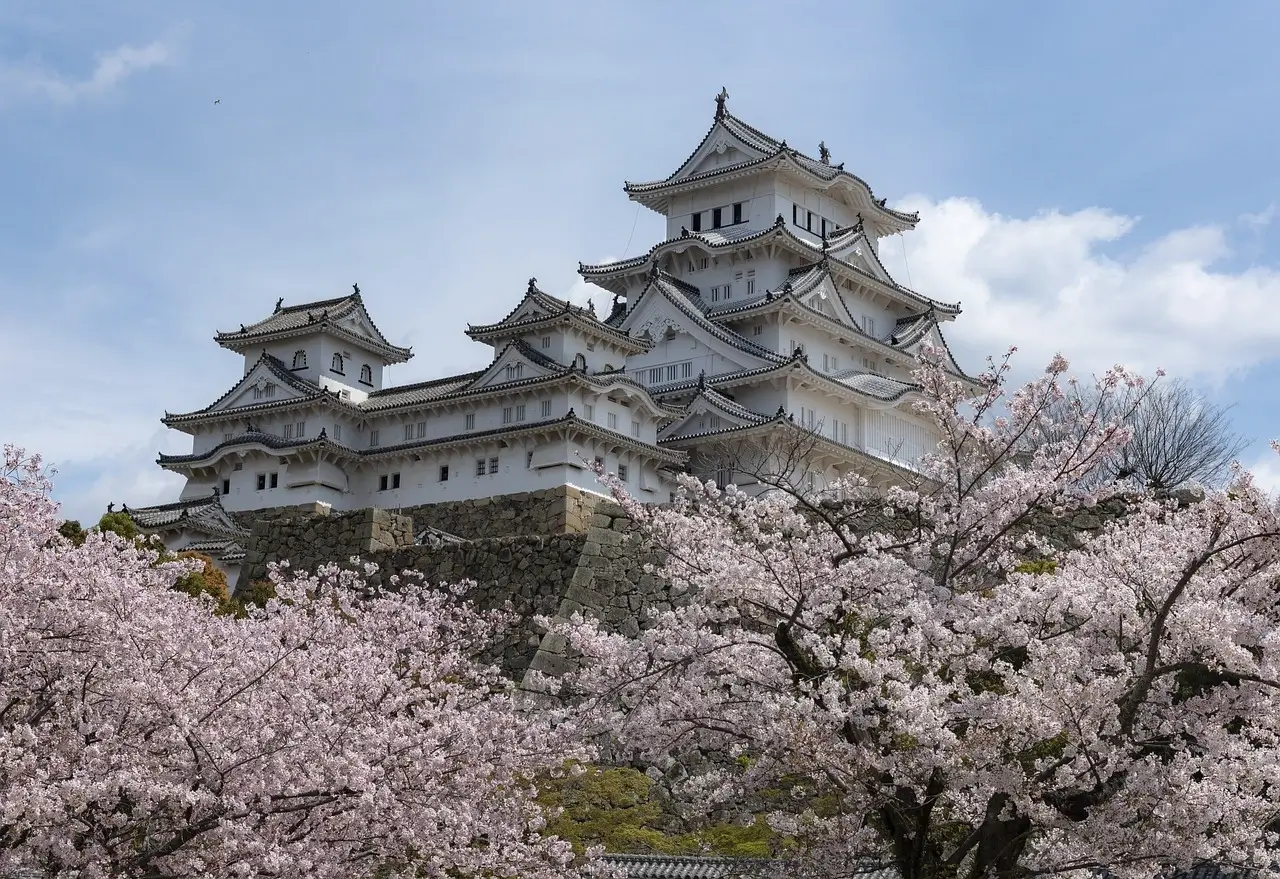
You’ll find bamboo, sakura (cherry blossom), green tea, and Japanese cedar among common notes. These ingredients don’t just smell beautiful — they carry emotional symbolism.
- Sakura represents renewal and the fleeting nature of life.
- Hinoki wood brings calmness and purity, often used in temples.
- Matcha and green tea evoke clarity and serenity.
Together, these elements create fragrances that feel grounded, peaceful, and in tune with the rhythms of nature — a refreshing contrast to the louder, more synthetic blends often found in Western markets.
The Quiet Power of Subtlety:

Western perfume culture often celebrates projection and longevity — perfumes that “fill the room.” But in Japan, fragrance is a personal experience. The scent should be enjoyed by the wearer and perhaps only noticed by those who come very close.
This concept, known as “kaori no ma”, or “the space of fragrance,” emphasizes restraint and harmony. Japanese perfume doesn’t demand attention; it invites intimacy. For many Americans discovering these scents, this understated approach feels refreshingly modern — especially in a world obsessed with performance and excess.
Brands That Define Japanese Elegance:
Japan’s fragrance scene may be small compared to Europe’s, but it’s rich in artistry. Some of the most respected names include:
- Shiseido: One of Japan’s oldest beauty houses, blending Eastern minimalism with French sophistication. Their perfumes, like Zen and Ever Bloom, balance floral purity with modern elegance.
- Flora Notis by Jill Stuart: Inspired by Japanese florals, this line is delicate, feminine, and perfectly in tune with seasonal beauty.
- Minä Perhonen: Known for ethereal blends and artistic presentation — each scent feels like a piece of poetry.
- Parfum Satori: A niche brand beloved by collectors for its refined craftsmanship and focus on natural ingredients.
Even international perfumers have been inspired by Japanese culture. Maison Kurkdjian, Diptyque, and Le Labo have each released scents influenced by Japanese woods, incense, and tea ceremonies — proof of Japan’s growing influence on global perfumery.
Why Japanese Perfume Appeals to Modern Americans:
For many Americans, life feels increasingly fast-paced and overstimulating. Japanese perfumes offer something the modern consumer craves — calm, authenticity, and a return to simplicity.
Their clean, balanced compositions align with the minimalist lifestyle trends that have swept across the U.S., from Marie Kondo’s decluttering philosophy to the popularity of Zen-inspired wellness. A Japanese fragrance feels like mindfulness in a bottle — a daily ritual that reconnects you to stillness and self-awareness.
Additionally, the rise of clean beauty and natural wellness movements in America has made Japanese perfumes even more appealing. Many are made with natural or low-alcohol bases, free of heavy synthetic ingredients. They’re gentle on the skin and the senses — perfect for people sensitive to strong scents.
The Art of Layering:
One fascinating aspect of Japanese perfume culture is layering. Instead of one dominant scent, people often apply multiple light fragrances — a base of musk, a touch of green tea, and a final mist of floral notes.
This allows the wearer to craft a personal olfactory identity that changes with the day’s mood or the season. In the West, this trend is catching on fast — reflecting a shift from mass-produced “signature scents” to individualized expressions of self.
A Fragrance for Every Mood
Japanese perfumes aren’t just products; they’re experiences. Want something uplifting? Choose a citrusy Yuzu blend. Need focus while studying? Try a green tea or Hinoki-based scent. Looking for romance or nostalgia? A sakura-inspired perfume will transport you to a quiet garden in Kyoto at sunset.
Their versatility and emotional depth make them perfect companions for those who view perfume as more than decoration — as a way to enhance daily living.
Why They’re Still Hidden Gems:
Despite their beauty, Japanese perfumes remain under the radar internationally. Limited production, domestic-focused marketing, and cultural modesty have kept them somewhat secret — but that’s changing.
As more American consumers explore niche and artisan fragrances, Japanese brands are gaining attention for their craftsmanship and sincerity. The absence of aggressive advertising only adds to their allure. They feel authentic, rare, and worth discovering.
The Future of Japanese Perfumery:
With the growing interest in sustainability and cultural authenticity, Japanese perfume is poised to become the next big thing in the global fragrance world. Expect to see more collaborations, more export availability, and more appreciation for the Japanese way of scent — where simplicity, mindfulness, and art meet.
The rise of social media platforms like TikTok and YouTube has also played a role in introducing younger audiences to Japanese perfume culture. Influencers now celebrate the calm, clean aura of these scents as a form of “quiet luxury.”
A Gentle Invitation to Explore:
If you’ve never experienced Japanese perfume, consider this your invitation. Visit a local boutique that carries niche fragrances, or explore brands like Shiseido, Flora Notis, or Parfum Satori online.
You might not find the loudest scent in the room — but you’ll find something deeper: a fragrance that feels like peace, nature, and artistry combined. A scent that whispers elegance, lingers softly, and stays with you — not just on your skin, but in your mind.
Because sometimes, the most unforgettable fragrances are the ones that speak softly.
Have you ever tried a Japanese perfume before? Share your favorite discovery or the scent that surprised you most — your hidden gem might inspire someone else.
Discover more from Perfume Cultures
Subscribe to get the latest posts sent to your email.