
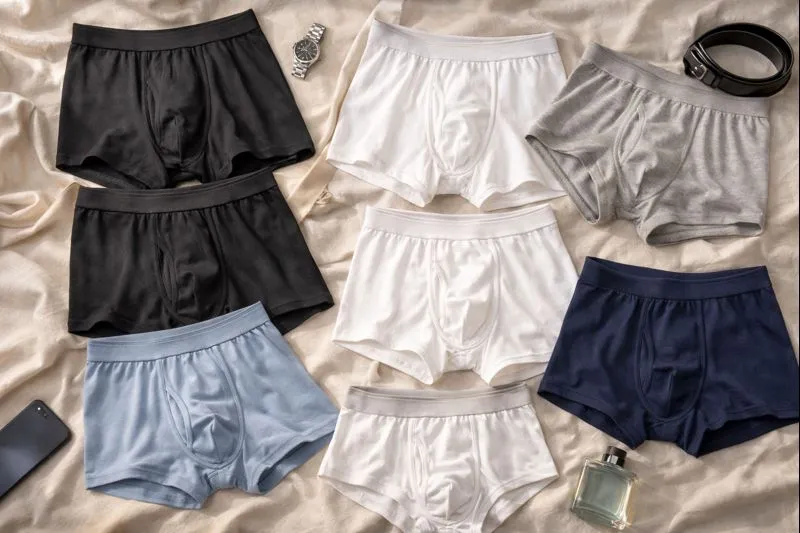
🩲 Should You Spray Perfume on Your Underwear? What You Need to Know
Spraying perfume on underwear is a question that quietly crosses many minds but rarely gets a clear, honest answer. Some people see it as a clever way to feel fresh all day, while others worry it might be unsafe or unnecessary. For American readers looking for practical, health-conscious advice, this topic deserves a calm, factual explanation—without fearmongering or exaggeration.
This article explores whether spraying perfume on underwear is safe, why people consider doing it, and what smarter alternatives exist for staying fresh and confident.
🤔 Why Do People Consider Spraying Perfume on Underwear?
The idea usually comes from a desire for long-lasting freshness. Underwear sits close to the body, so some believe fragrance applied there will last longer or feel more discreet than spraying perfume on the neck or wrists.
Common reasons include:
- Feeling confident during long workdays
- Masking odor rather than reapplying perfume
- Avoiding strong scent projection in public spaces
- Wanting a “private” scent experience
While the intention is understandable, intention alone doesn’t determine whether something is safe.
🧪 What’s Actually in Perfume?
Perfume is not just a pleasant smell—it’s a chemical blend. Most fragrances contain:
- Alcohol (often ethanol)
- Aromatic compounds (natural or synthetic)
- Fixatives that help scent last longer
- Preservatives and stabilizers
Alcohol helps disperse scent but can be drying and irritating. Many fragrance ingredients are safe for external skin in small amounts, but they’re not designed for prolonged contact with sensitive areas or fabrics that sit against them all day.
⚠️ Why Underwear Is a High-Risk Area

Underwear creates a unique environment:
- Warm
- Moist
- Limited airflow
- Continuous skin contact
When perfume is sprayed on underwear, fragrance compounds remain trapped close to the skin. This increases exposure time and concentration, which can raise the risk of:
- Skin irritation
- Itching or redness
- Contact dermatitis
- Disruption of the skin’s natural balance
Unlike spraying perfume on outer clothing, underwear does not allow scent to dissipate quickly.
If you’re curious about unconventional perfume habits, you may also want to read our article “Wearing Perfume Without Showering: Smart Hack or Big Mistake?” for a deeper look at how fragrance interacts with hygiene.
👩⚕️ What Do Skin Experts Generally Recommend?
Most dermatology guidance leans toward avoiding fragranced products near intimate areas. Even people without sensitive skin can develop reactions over time.
Key concerns include:
- Alcohol drying delicate skin
- Fragrance allergens triggering irritation
- Heat increasing chemical absorption
- Repeated exposure causing delayed sensitivity
Experts often recommend fragrance-free hygiene routines for areas covered by underwear.
🧼 Hygiene vs. Fragrance: Know the Difference
Perfume does not replace hygiene. It masks scent rather than addressing its cause. Odor typically results from:
- Sweat
- Bacteria
- Trapped moisture
- Non-breathable fabrics
Spraying perfume on underwear may temporarily cover odor, but it can worsen irritation and lead to discomfort later in the day.
True freshness comes from cleanliness, not fragrance overload.
👕 Fabric Matters More Than You Think
One overlooked factor is underwear material. Breathable fabrics reduce odor naturally.
Better choices include:
- Cotton
- Bamboo blends
- Moisture-wicking natural fibers
Riskier options include:
- Synthetic fabrics
- Tight, non-breathable designs
Choosing the right fabric often eliminates the perceived need for perfume altogether.
🌿 Safer Alternatives to Smell Fresh
If your goal is freshness without irritation, consider these smarter options:
- Use fragrance-free laundry detergent
- Change underwear daily (or more if needed)
- Choose breathable fabrics
- Shower regularly and dry thoroughly
- Apply perfume to outer clothing layers
- Spray fragrance on pulse points instead of intimate areas
These habits provide freshness without unnecessary risk.
🌸 What About “Light” or “Clean” Scents?
Some assume that fresh-smelling or “skin scent” perfumes are gentler. However, even light fragrances contain alcohol and aroma chemicals.
“Clean” does not mean:
- Hypoallergenic
- Safe for intimate contact
- Suitable for prolonged exposure
The issue isn’t the scent style—it’s where and how it’s applied.
🧠 Psychological Comfort vs. Physical Reality
Feeling fresh can boost confidence, especially during busy days. But psychological comfort shouldn’t override physical health.
A fragrance ritual should enhance well-being, not introduce discomfort, irritation, or long-term skin issues. When used correctly, perfume is a pleasure—not a risk.
✅ Final Verdict: Is It a Good Idea?
Spraying perfume on underwear is not recommended. While it may seem harmless, it increases the risk of irritation and offers no real hygiene benefit.
For American consumers who value wellness, comfort, and practicality, the smarter approach is:
- Good hygiene
- Breathable fabrics
- Proper fragrance application
Perfume belongs on skin areas designed to handle it—or on clothing layers that don’t trap it against sensitive skin.
❓ Final Thoughts
Have you ever tried unconventional ways to make perfume last longer—or do you stick to classic application methods?
Share your thoughts and experiences in the comments below 👇