
🇰🇷 Perfume in Korean Culture: Tradition Meets Modern Beauty
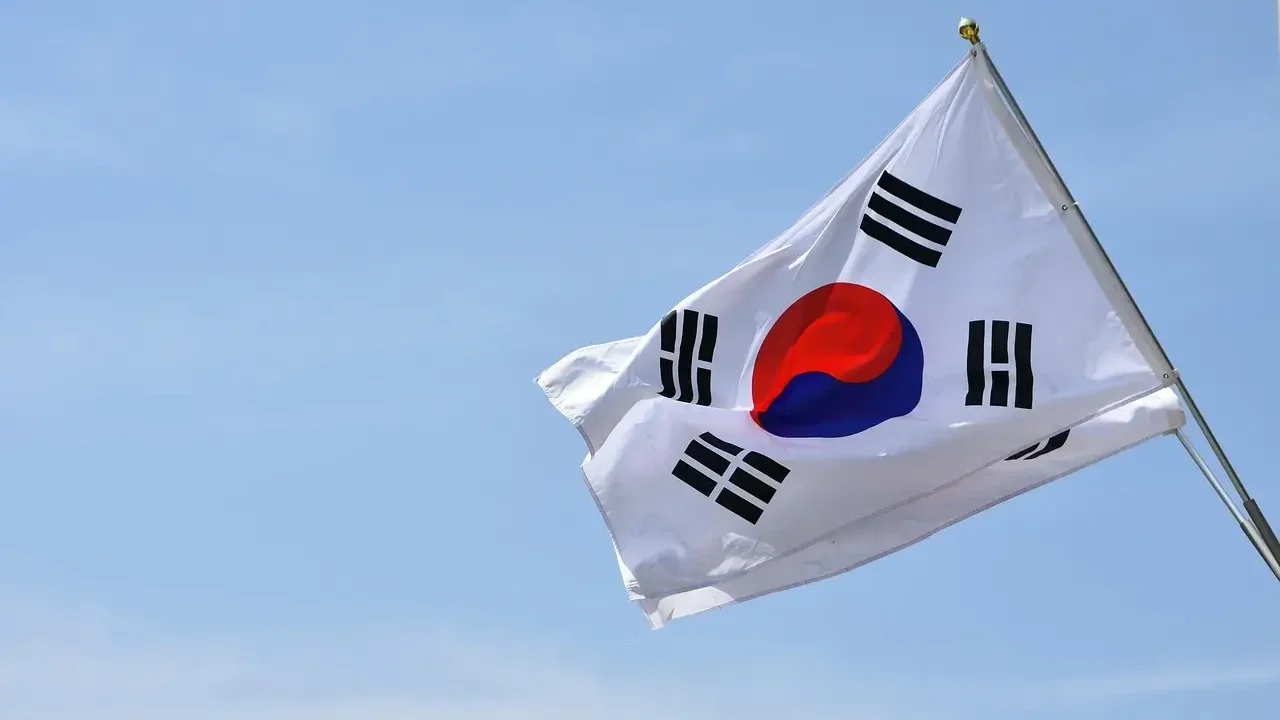
Perfume in Korean culture isn’t just about smelling pleasant — it’s an expression of identity, spirituality, and artistry. From the delicate incense of ancient dynasties to the sleek bottles of modern K-beauty, Korea’s relationship with fragrance tells a fascinating story of evolution, refinement, and deep cultural symbolism.
In today’s beauty-obsessed world, Korean skincare and cosmetics dominate global trends — but behind the glossy packaging and dewy looks lies a subtler charm: the Korean approach to perfume, where tradition and innovation meet in harmony.
🌸 Ancient Korean Perfume: Scents of Spirituality and Status:
Long before perfume became a fashion statement, scent held spiritual and social power in Korea. During the Three Kingdoms Period (57 BC – 668 AD), incense was imported from China and the Middle East through trade routes like the Silk Road. It was burned in temples, royal palaces, and noble homes to purify spaces, calm the spirit, and symbolize virtue.
In the Goryeo and Joseon dynasties, perfume was considered an art form that reflected a person’s inner beauty. Aristocrats carried small pouches of fragrant herbs and woods — known as hyangnang (향낭) — which were tied to their garments. These pouches weren’t just accessories; they signified elegance, refinement, and even moral integrity.
Common ingredients included:
- Agarwood (oud) – valued for its deep, meditative aroma.
- Sandalwood – believed to enhance spiritual awareness.
- Clove and cinnamon – for warmth and vitality.
These natural scents symbolized purity and balance, essential ideals in Confucian and Buddhist traditions that shaped Korean thought for centuries.
🕯️ The Symbolism of Scent in Korean Society:
In traditional Korean culture, perfume wasn’t only for personal adornment — it was part of rituals, poetry, and medicine. Fragrance was thought to cleanse negative energy, soothe the mind, and align the body with nature.
For example:
- In Buddhist temples, incense represented enlightenment and moral clarity.
- In royal courts, fragrance ceremonies marked important occasions.
- In daily life, even the scent of flowers in one’s home reflected harmony with the seasons.
Perfume in Korea has always been about connection — between people, nature, and the unseen world. This deep-rooted meaning still influences modern Korean perfumery, where simplicity and balance remain core principles.
💧 Transition to Modernity: From Incense to Individuality:
The 20th century brought rapid change to Korea. As Western perfumes entered the market, Koreans began experimenting with modern fragrance techniques, combining local sensibilities with international trends.
Unlike in the West, where perfumes often express bold personality or sensuality, Korean fragrances lean toward softness and subtlety. The goal isn’t to dominate a room but to create a personal aura — clean, fresh, and approachable.
This philosophy mirrors the essence of K-beauty, where natural beauty and effortless elegance are celebrated. Korean consumers value fragrances that blend seamlessly into their identity rather than overpower it.
Popular scent profiles today include:
- Green tea and white florals – symbolizing purity and calm.
- Powdery musk – evoking warmth and comfort.
- Citrus and light woods – for freshness and energy.
These modern scents often echo the tranquility of traditional Korean gardens or the calm of early morning mountain air — a nod to the country’s enduring respect for nature.
🌿 The Rise of Korean Perfume Houses:

In the past decade, Korea’s fragrance industry has blossomed, producing unique homegrown brands that merge art, science, and heritage.
1. Tamburins:
Known for its artistic bottles and minimalist concepts, Tamburins captures the sophistication of Seoul’s fashion scene. Its scents — like “Shell” or “Suede Pearl” — are subtle yet distinctive, blending natural accords with an avant-garde edge.
2. Granhand:
This boutique fragrance house focuses on handcrafted perfumes made with natural oils. Its stores often resemble art galleries, offering an immersive sensory experience that highlights craftsmanship over mass production.
3. Nonfiction:
Embodying poetic storytelling, Nonfiction’s perfumes draw inspiration from personal reflection and emotional authenticity. Each bottle feels like a diary entry translated into scent.
These brands symbolize the modern Korean aesthetic — minimalist, emotional, and rooted in authenticity. They stand out not because they imitate Western trends but because they reinterpret Korean identity for a global audience.
💄 Perfume and the K-Beauty Phenomenon:
K-beauty has taken the world by storm with its focus on skin health, natural glow, and innovation — and now perfume is the next frontier. As more consumers seek complete sensory beauty, fragrance has become a crucial part of the Korean self-care ritual.
Korean influencers and celebrities have helped fuel this trend by promoting signature scents that complement skincare routines. A light floral or fresh musk is often marketed as an extension of “glass skin” — clean, luminous, and soft.
In Korean culture, perfume is not meant to mask flaws but to enhance one’s natural aura — a philosophy that resonates deeply with today’s global consumers who prefer authenticity over excess.
🧴 Perfume as Self-Expression in Modern Korea:
In contemporary Seoul, perfume has become a language of emotion. Young Koreans use fragrance to express mood, creativity, and even social belonging.
For instance:
- A woody or musky scent might reflect maturity and confidence.
- Citrus and florals suggest freshness and positivity.
- Amber or resinous blends express depth and sophistication.
Korean consumers often layer perfumes or use home diffusers and fabric mists to create consistent olfactory experiences throughout their lives — from their skin to their living spaces. This holistic view of scent shows how deeply fragrance is tied to lifestyle and emotional well-being.
🌺 Conclusion: The Harmony of Past and Present:
Perfume in Korean culture represents far more than luxury — it’s a reflection of harmony, mindfulness, and artistry. From the sacred incense of ancient temples to the minimalist bottles of Seoul’s modern boutiques, fragrance continues to evolve while preserving its spiritual roots.
Korean perfume artistry teaches us that scent isn’t just about standing out — it’s about belonging, balance, and beauty that feels personal.
✨ What about you? Would you prefer a soft, poetic Korean-style scent or a bold Western fragrance that commands attention? Share your thoughts below — your scent story might inspire others!
If you’re fascinated by how perfume connects identity and artistry, you’ll love our in-depth guide on How to Spot Fake Perfume: 7 Easy Ways to Protect Yourself. Learn practical tips to ensure every scent you buy — whether Korean or international — is 100% authentic and safe to use.
✨ So tell us — if you could bottle the essence of Korea, would it smell like blooming cherry blossoms or the quiet calm of temple incense? Share your answer in the comments and join the conversation about scent and culture!
Discover more from Perfume Cultures
Subscribe to get the latest posts sent to your email.




4 Comments