The Perfume Culture of Andalusia: A Historical Journey
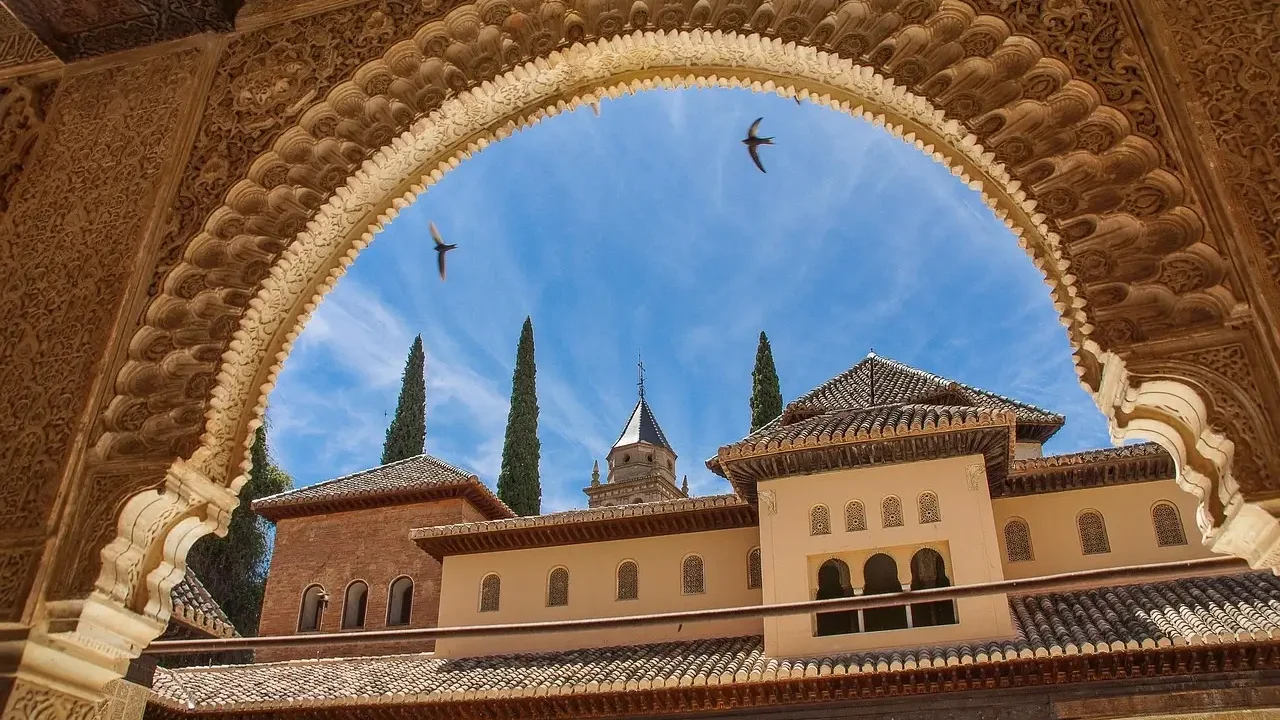
From the bustling souks of medieval Córdoba to the fragrant orange blossoms that still scent Seville’s spring air, Andalusia’s perfume culture is a story of art, science, and sensuality. This southern Spanish region once served as the bridge between East and West, blending Islamic, Christian, and Jewish traditions into one of the most refined fragrance heritages in the world.
🌸 The Origins of Andalusian Fragrance Traditions:
To understand Andalusia’s perfume culture, we must return to the Golden Age of Al-Andalus (8th–15th centuries). During this time, cities like Córdoba, Granada, and Seville flourished as centers of learning, trade, and beauty. The Moors brought with them not only architectural marvels but also the art of distillation, which transformed how perfumes were made.
Arab chemists, inspired by scholars such as Al-Kindi and Avicenna, refined the extraction of essential oils from flowers and herbs. Andalusia became a laboratory of olfactory discovery. The process of steam distillation—still used today—was perfected here, allowing delicate scents like rose, jasmine, and violet to be captured with precision.
🏺 The Influence of Islamic Perfume Philosophy:
For the Moors, fragrance was more than luxury—it was spiritual and medicinal. Cleanliness and pleasant scents were integral to daily rituals and faith. Mosques were perfumed before prayer, homes were sprinkled with rosewater, and even clothes were infused with oud, musk, and amber.
Perfume symbolized purity of the soul and respect for others. The Prophet Muhammad’s well-known love for perfume inspired the Muslim Andalusians to elevate scent-making into an act of devotion. As one Arab saying went: “Perfume is the nourishment of the soul.”
In Andalusian markets, perfumers—known as ‘attarin’—sold blends crafted from citrus, herbs, and exotic resins imported from the East. These aromatic recipes spread through trade routes into Christian Europe, forever changing Western perfumery.
🌿 Nature’s Gift: Local Ingredients of Andalusia:
Andalusia’s unique climate and geography made it a natural paradise for fragrance creation. Fields of lavender, rosemary, and orange trees filled the air with aroma. The bitter orange (neroli), now a hallmark of modern Spanish perfumery, was first cultivated here by the Arabs.
Other local ingredients included:
- Myrtle and laurel – valued for their clean, green scent.
- Rose and jasmine – symbols of beauty and love.
- Saffron and cinnamon – imported through trade and used to add depth and warmth to perfumes.
The Alhambra’s gardens in Granada, with their fountains and floral pathways, reflected how deeply fragrance and landscape were intertwined. The sensory harmony between water, flowers, and architecture created what could be called the first “multi-sensory experience” in history.
🏰 The Role of the Moors in European Perfumery:
The fall of Al-Andalus in 1492 did not end its influence—it spread it. When the Christian kingdoms reclaimed Spain, they inherited a rich legacy of perfume craftsmanship. Knowledge of distillation, ingredients, and olfactory art moved northward, shaping the Renaissance perfume industry in Italy and France.
Andalusian perfume makers taught Europeans the secrets of:
- Blending floral and resinous notes for balance.
- Using alcohol as a base for longevity.
- Storing scents in ornate glass bottles inspired by Islamic design.
Without Andalusia, European perfumery as we know it—especially in Grasse, France, and Florence, Italy—might never have reached its golden age.
💫 The Legacy of Scent in Andalusian Daily Life:
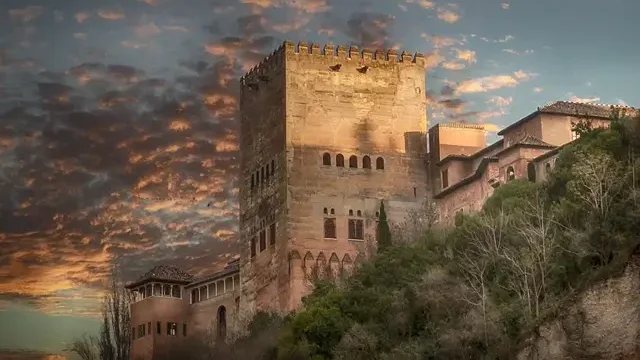
Even today, perfume is woven into Andalusian culture. Festivals like Semana Santa and Feria de Abril are filled with floral fragrances—orange blossom, jasmine, and incense float through the air. These scents connect the modern region to its ancient roots.
Locals often associate perfumes with memories and identity: the smell of church incense, a grandmother’s jasmine oil, or the citrus freshness of neroli during spring. In Andalusia, fragrance is not just worn—it is lived.
🕊️ Andalusian Perfume in Modern Times:
In recent years, niche perfume houses have rediscovered the Andalusian olfactory tradition. Brands draw inspiration from ancient ingredients and Moorish aesthetics to create fragrances that bridge past and present.
Some notable examples include:
- Ramon Monegal – blending Arabic and Mediterranean notes.
- Carner Barcelona – inspired by Spanish heritage and sensual minimalism.
- Alhambra Perfumes – capturing the spirit of Granada’s palaces in modern blends.
These modern creations revive the elegance of Al-Andalus while catering to global tastes. American consumers, fascinated by historical and exotic scents, have increasingly embraced these Spanish-inspired perfumes.
🧴 Comparison: Andalusian Perfume vs. Other Fragrance Cultures:
| Feature | Andalusian Perfume | French Perfume | Middle Eastern Perfume |
|---|---|---|---|
| Base ingredients | Citrus, floral, herbal | Floral, powdery | Oud, amber, musk |
| Cultural purpose | Spiritual & aesthetic | Fashion & luxury | Spiritual & opulent |
| Signature notes | Orange blossom, rose, myrtle | Rose, iris, vanilla | Oud, incense, amber |
| Historical roots | Islamic Spain (8th–15th c.) | Renaissance & royal courts | Ancient Arabian traditions |
| Modern influence | Revival of natural ingredients | Global perfumery dominance | Growing niche popularity |
This table highlights how Andalusian perfumery sits at the crossroads of East and West—balancing spirituality with sophistication.
🌹 Symbolism and Emotional Power of Andalusian Scents:
Each Andalusian scent tells a story. Orange blossom represents renewal and purity; musk stands for sensuality and mystery; rose evokes love and devotion. These fragrances often mirrored the values of Andalusian poetry, where emotion, nature, and divine beauty were intertwined.
Perfume was also a social language. A person’s scent could reveal their status, taste, or even their origin. In royal courts, the exchange of perfumes was an act of diplomacy and affection.
🌞 A Timeless Bridge Between Worlds:
Andalusia’s perfume culture reminds us that scent is more than chemistry—it is history made fragrant. It carries the whispers of scholars, artisans, and travelers who once filled the markets of Córdoba and Granada.
Today, as modern perfumers rediscover natural ingredients and ancient techniques, the spirit of Al-Andalus breathes again, linking the past’s elegance with contemporary artistry.
If you found Andalusia’s olfactory story fascinating, explore how other ancient civilizations expressed themselves through scent.
👉 Read next: “Perfume in Korean Culture: Tradition Meets Modern Beauty.”
“Which scent do you think best captures the soul of Andalusia — the bright orange blossom, the sensual jasmine, or the deep warmth of musk? Share your thoughts below!”
Discover more from Perfume Cultures
Subscribe to get the latest posts sent to your email.