
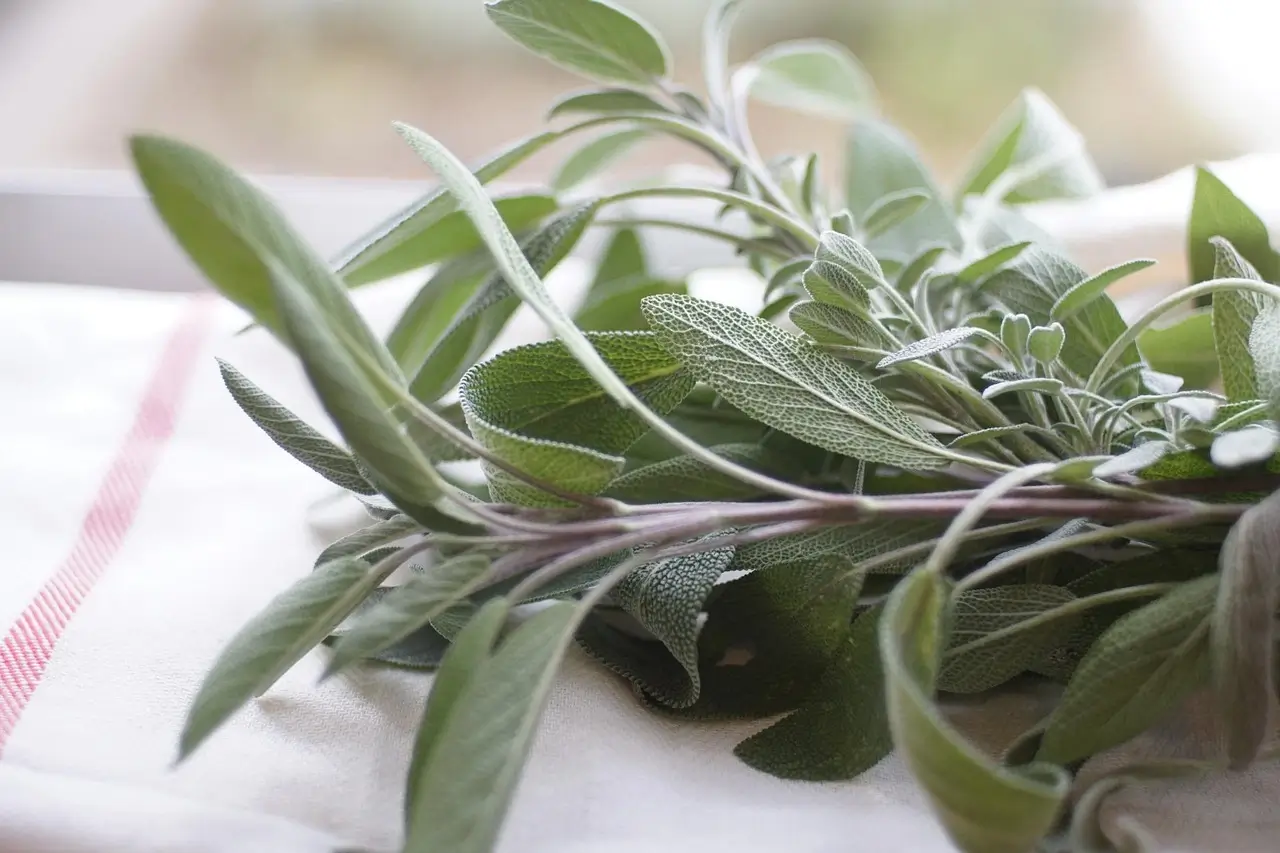
🌿 The Hidden Power Of Aromatic Herbs in Perfume Making
Perfume has always been more than just a fragrance. It’s an art, a story, and a way to evoke memories and emotions. While flowers and rare woods often steal the spotlight in the world of perfumery, aromatic herbs quietly hold a hidden power that shapes scents in ways most people never notice. From calming lavender to invigorating rosemary, these herbs have been essential in crafting timeless fragrances.
🌱 The Ancient Roots of Herbs in Perfumery:
Long before modern perfumers had access to synthetic ingredients, aromatic herbs were the backbone of fragrance creation. Ancient civilizations like the Egyptians, Greeks, and Romans understood the power of herbs, using them not only for their scents but also for their healing and spiritual properties.
For example, sage and rosemary were often burned in rituals, not just for their aroma but also for purification. Similarly, mint and basil were infused into oils, creating subtle, uplifting notes in perfumes that could last for hours. This historical significance underscores why herbs remain a crucial element in perfumery today.
🌸 Why Aromatic Herbs Are Essential in Modern Perfumes:
While flowers like rose and jasmine often dominate perfume compositions, herbs add a unique depth and complexity. Here’s why:
- Balance and Freshness: Herbs like thyme, basil, and mint provide a crisp, green freshness that balances sweeter floral or fruity notes.
- Longevity: Certain herbs contain essential oils that help stabilize the perfume, making the scent last longer on the skin.
- Versatility: From woody, spicy scents to light, citrusy aromas, herbs can adapt to nearly any perfume profile.
A perfume featuring rosemary might evoke memories of sunlit Mediterranean gardens, while lavender can instantly create a sense of calm and relaxation. These subtle effects make herbs indispensable in crafting sophisticated fragrances.
🌿 Top Aromatic Herbs Used in Perfume Making:
Perfume makers around the world rely on a variety of herbs, each contributing distinct characteristics to a fragrance. Here are some of the most popular:
| Herb | Aroma Profile | Perfume Effect |
|---|---|---|
| Lavender | Floral, sweet, calming | Promotes relaxation, longevity |
| Rosemary | Fresh, woody, slightly medicinal | Energizing, sharp accent |
| Sage | Earthy, herbaceous | Adds depth and stability |
| Mint | Cool, crisp, invigorating | Refreshing top notes |
| Basil | Spicy, green | Adds vibrancy and complexity |
| Thyme | Herbal, slightly camphoraceous | Enhances green undertones |
These herbs are often blended with floral, citrus, or woody elements, creating multi-layered perfumes that captivate the senses.
🔬 How Perfumers Extract the Power of Herbs:
Modern perfumery uses several techniques to capture the essence of aromatic herbs. Each method impacts the scent in unique ways:
- Steam Distillation: This classic method uses steam to extract essential oils from herbs, producing pure, concentrated fragrances.
- Solvent Extraction: Ideal for delicate herbs that may lose their aroma with heat. Solvents help preserve subtle scents.
- Enfleurage: A traditional technique where herbs are pressed into fats to capture their fragrance—a labor-intensive but highly fragrant method.
Understanding these processes highlights how perfumers can manipulate herbal notes to create signature scents that feel natural and long-lasting.
🌸 The Psychological Benefits of Herbal Fragrances:
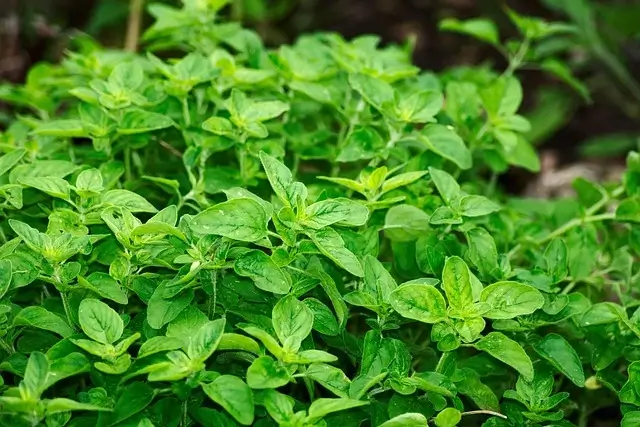
Herbs don’t just smell good—they can affect mood and well-being. Aromatherapy principles have long been applied in perfumery, making herbal fragrances more than just cosmetic.
- Lavender: Known for its calming properties, it can reduce anxiety and help with sleep.
- Rosemary and Basil: Stimulate focus and mental clarity.
- Mint: Invigorates and energizes, perfect for morning wear.
By incorporating these herbs, perfumers create fragrances that do more than smell pleasant—they enhance emotional experiences.
🌿 Aromatic Herbs in Popular Perfumes:
Even mainstream fragrances use herbal notes to elevate their compositions. Some notable examples include:
- Jo Malone’s Basil & Neroli: Combines basil with citrus and floral notes for a fresh, uplifting scent.
- Hermès Un Jardin Sur Le Nil: Features green notes and herbs that evoke a sunlit riverside garden.
- Dior Sauvage: Infused with rosemary and other aromatic herbs, creating a bold and invigorating fragrance.
These examples show that herbs are not just background players—they are integral in defining a perfume’s personality.
🌱 DIY Herbal Perfume: Simple Ways to Harness Nature:
For enthusiasts, creating a personal herbal perfume can be both fun and rewarding. Here’s a basic approach:
- Choose Your Herbs: Pick 2-3 aromatic herbs based on the mood you want to create.
- Infuse in Alcohol or Oil: Crush herbs gently and let them sit in a carrier (like vodka or jojoba oil) for 2-3 weeks.
- Blend and Experiment: Mix with essential oils or other herbal extracts to customize your fragrance.
- Store Properly: Keep your homemade perfume in dark glass bottles to preserve aroma.
This hands-on experience deepens appreciation for the hidden power of herbs in perfumery.
🌸 Why Aromatic Herbs Will Always Matter
In a world filled with synthetic fragrances, the natural complexity of herbs continues to captivate perfumers and enthusiasts alike. They offer not just scent, but emotion, tradition, and even therapeutic benefits. Whether you’re drawn to the calming notes of lavender, the sharp freshness of rosemary, or the vibrant zing of basil, herbs remain a timeless ingredient in the art of perfume making.
By understanding the hidden power of aromatic herbs, you gain insight into the delicate science and creativity behind every bottle of perfume. It’s a reminder that the most subtle ingredients often leave the most lasting impressions.
If you’re fascinated by the influence of nature on fragrance, explore our article “Perfume Minimalism: The Rise of Single-Note Fragrances” to see how a single herb or note can define an entire scent.
Which aromatic herb would you choose to create your signature perfume, and why? Share your thoughts in the comments below!
Discover more from Perfume Cultures
Subscribe to get the latest posts sent to your email.


2 Comments