Bulgarian Rose in Perfumery: The Luxurious Flower Behind Iconic Scents
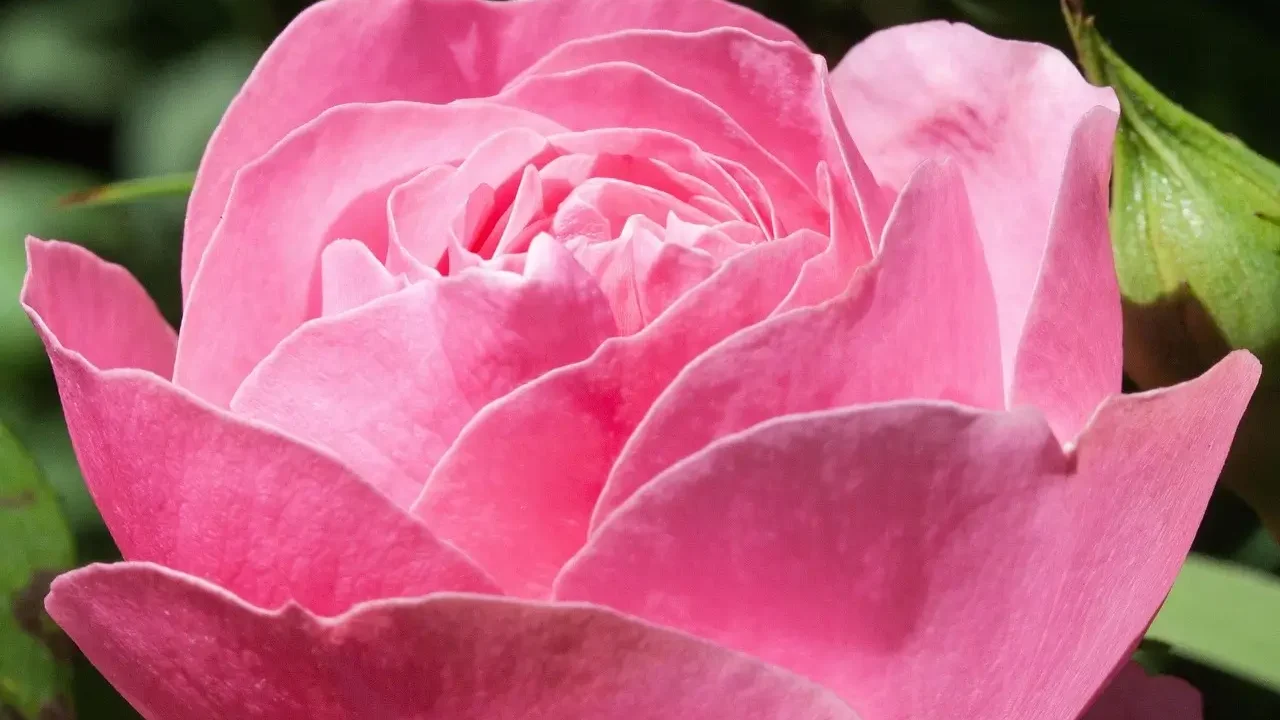
When it comes to luxury perfumery, few ingredients evoke as much admiration and history as the Bulgarian Rose — often called the Queen of Flowers. For centuries, its delicate yet powerful fragrance has defined elegance, romance, and sophistication in the perfume world. But what makes this flower from Bulgaria so exceptional, and how did it become one of the most coveted raw materials in global perfumery?
🌹 The Legendary Origins of the Bulgarian Rose:
The story of Bulgarian Rose begins in the Valley of Roses, near the town of Kazanlak, located in central Bulgaria. This region has been producing rose oil (also known as attar of roses) for over 300 years. Its unique climate — with cool mornings, high humidity, and mild temperatures — provides the perfect environment for cultivating the Damask rose (Rosa damascena).
By the 19th century, Bulgaria had become the world’s leading producer of rose oil, earning global recognition for the purity and richness of its aroma. Today, nearly 70% of the world’s rose oil still comes from Bulgaria.
🧪 The Extraction Process: A Craft of Precision:
What makes Bulgarian rose oil so valuable isn’t just the flower itself — it’s also the meticulous process used to extract its essence.
Each gram of rose oil requires around 3,000 to 4,000 freshly picked rose blossoms. The flowers are harvested by hand during early morning hours, when their aroma is most concentrated.
The petals are then distilled using traditional copper stills and pure mountain water, preserving the delicate balance of floral and spicy notes.
This double-distillation method, passed down through generations, results in a golden, aromatic oil known for its depth, longevity, and complexity.
💎 Why Perfumers Treasure Bulgarian Rose:
In perfumery, not all roses are created equal. The Bulgarian Damask rose stands out for its multi-layered scent profile — a blend of sweet honey, soft spice, and a slightly citrusy freshness.
This makes it incredibly versatile, capable of harmonizing both floral and oriental compositions.
Luxury perfume houses like Dior, Guerlain, Chanel, and Tom Ford often rely on Bulgarian rose oil to add richness and warmth to their creations. It acts as both a heart note and a fixative, giving perfumes a long-lasting, sophisticated trail.
🌿 Bulgarian Rose vs. Turkish Rose: A Subtle Rivalry:
| Feature | Bulgarian Rose (Rosa damascena) | Turkish Rose (Rosa damascena or centifolia) |
|---|---|---|
| Aroma Profile | Deep, warm, and slightly spicy | Lighter, more lemony and fresh |
| Distillation Method | Traditional double-distillation | Often single distillation |
| Oil Color | Golden amber | Pale yellow |
| Use in Perfumery | Base and heart notes in luxury perfumes | Fresh floral top notes |
| Main Producers | Kazanlak, Bulgaria | Isparta, Turkey |
While both roses share the same botanical family, the Bulgarian rose is often preferred for high-end perfumes because of its full-bodied aroma and richer complexity.
✨ The Symbolism of the Bulgarian Rose:

Beyond its scent, the Bulgarian rose carries deep cultural and symbolic meaning. In Bulgaria, it represents love, purity, and national pride. Every year, the Rose Festival in Kazanlak celebrates the harvest season with parades, music, and traditional attire — a vibrant tribute to the flower that defines their identity.
In perfumery, the rose also symbolizes femininity, sensuality, and timeless beauty, making it a universal favorite across cultures. Its essence speaks not just to the nose, but to the emotions — evoking warmth, nostalgia, and romance.
🧴 Iconic Perfumes That Feature Bulgarian Rose:
The influence of Bulgarian rose spans across some of the most beloved perfumes in history. Here are a few examples that highlight its versatility:
- Chanel No. 5 L’Eau – Combines Bulgarian rose with jasmine for a modern, airy interpretation of femininity.
- Dior J’adore – Balances rose with ylang-ylang and peach for a golden, radiant floral scent.
- Tom Ford Café Rose – A dark and sensual take featuring Bulgarian rose mingled with coffee and patchouli.
- Le Labo Rose 31 – Pairs Bulgarian rose with cumin and cedar, creating a spicy, unisex character.
- Byredo Rose of No Man’s Land – A tribute to compassion and healing, with Turkish and Bulgarian roses in harmony.
These examples show how Bulgarian rose oil adapts to diverse perfume styles — from sweet and romantic to bold and mysterious.
🧬 The Chemistry Behind the Scent:
Scientifically, Bulgarian rose oil is composed of over 300 different compounds, including citronellol, geraniol, nerol, and phenylethyl alcohol — all of which contribute to its layered scent.
This chemical complexity makes it hard to replicate synthetically. While modern perfumery often uses synthetic rose molecules for cost and consistency, natural Bulgarian rose oil remains irreplaceable in premium formulations due to its emotional depth and authenticity.
💰 A Luxury Worth Its Weight in Gold:
Given the enormous labor and raw material required, rose oil is one of the most expensive perfume ingredients in the world. A single kilogram can cost up to $10,000–$12,000, depending on quality and harvest conditions.
This rarity explains why most commercial perfumes use rose absolutes or synthetic alternatives, reserving true Bulgarian rose oil for haute couture fragrances and niche brands that prioritize craftsmanship.
🌍 Sustainability and the Future of Rose Cultivation:
In recent years, the perfume industry has become more aware of environmental sustainability. Bulgarian producers are now focusing on:
- Organic cultivation without pesticides.
- Fair-trade programs to support local farmers.
- Eco-distillation technologies to minimize water waste.
These initiatives ensure that the heritage of Bulgarian rose continues to thrive without compromising the planet’s future — blending tradition with innovation for generations to come.
🕊️ The Emotional Power of Bulgarian Rose in Modern Perfumery:
The enduring appeal of the Bulgarian rose lies in its emotional resonance. Its scent can transport the wearer to dew-covered rose fields at dawn, stir memories of love, or inspire a sense of calm sophistication.
In modern perfumery, it serves as a bridge between nature and emotion, a fragrant reminder that even in a world of synthetic creations, authentic beauty still blooms from the earth.
If you enjoyed discovering the story of Bulgaria’s luxurious rose and its place in perfumery, you’ll love exploring how other ancient civilizations crafted their signature scents.
👉 Read next: “Ottoman Perfumers: The Hidden Masters Behind Fragrance Traditions.”
“Which perfume featuring Bulgarian rose is your personal favorite — the timeless classics or the bold modern blends? Share your thoughts in the comments below and join the conversation about this luxurious flower’s lasting legacy!”
Discover more from Perfume Cultures
Subscribe to get the latest posts sent to your email.