
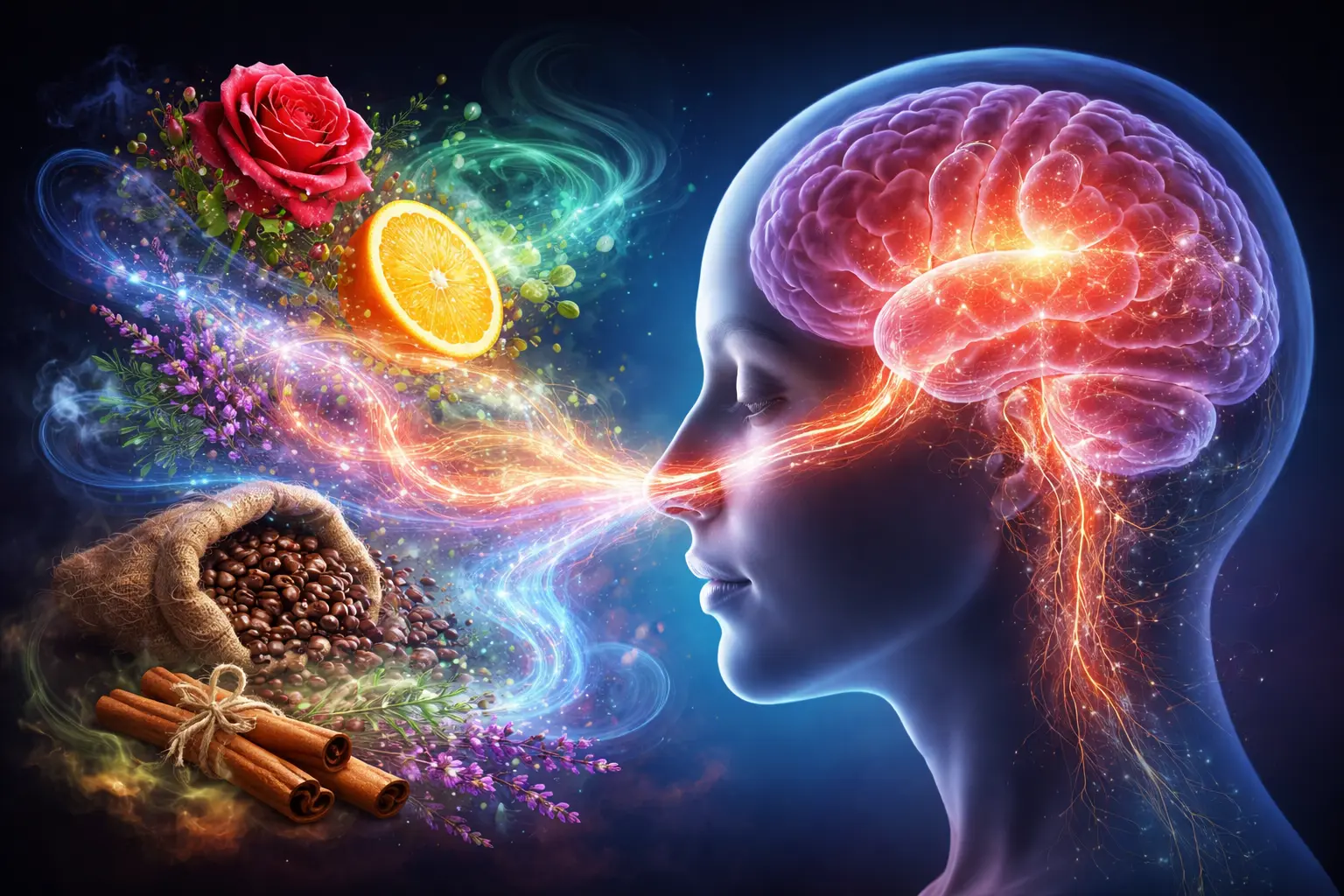
🧠 How the Brain Recognizes Different Smells
Every day, humans encounter thousands of different scents—from the aroma of fresh coffee to the smell of rain or perfume. But have you ever wondered how the brain recognizes different smells so quickly and accurately?
The human sense of smell is one of the most fascinating systems in the body. Unlike other senses, scent signals travel directly to parts of the brain associated with memory, emotion, and instinct. This unique pathway is why smells can feel so vivid and personal.
Understanding how the brain identifies scents reveals a remarkable combination of chemistry, biology, and neural pattern recognition.
👃 Step 1: Odor Molecules Enter the Nose
Every smell begins with odor molecules floating in the air. These tiny chemical compounds are released by objects such as food, flowers, wood, or perfume.
When you inhale:
- Air carrying scent molecules enters the nose
- Molecules dissolve in the mucus lining of the nasal cavity
- They reach specialized sensory cells called olfactory receptors
Humans have about 400 types of olfactory receptors, and each one responds to different molecular shapes.
This diversity allows the nose to detect thousands of unique odors.
Common SEO keywords naturally related here include:
- how the brain recognizes smells
- how smell works in the brain
- olfactory receptors
- human sense of smell
- scent molecules
🧬 Step 2: Olfactory Receptors Identify Chemical Patterns
Each odor molecule activates a specific combination of receptors.
Think of it like a piano:
- One key = one receptor
- A chord = multiple receptors activated together
This means that the brain does not identify smells from one receptor alone, but from patterns of activation.
For example:
| Smell | Receptor Pattern |
|---|---|
| Vanilla | Receptors A + C + F |
| Coffee | Receptors B + D + G |
| Lemon | Receptors A + D + H |
This combinatorial coding system allows humans to distinguish over one trillion different odors, according to recent scientific estimates.
⚡ Step 3: Signals Travel to the Olfactory Bulb
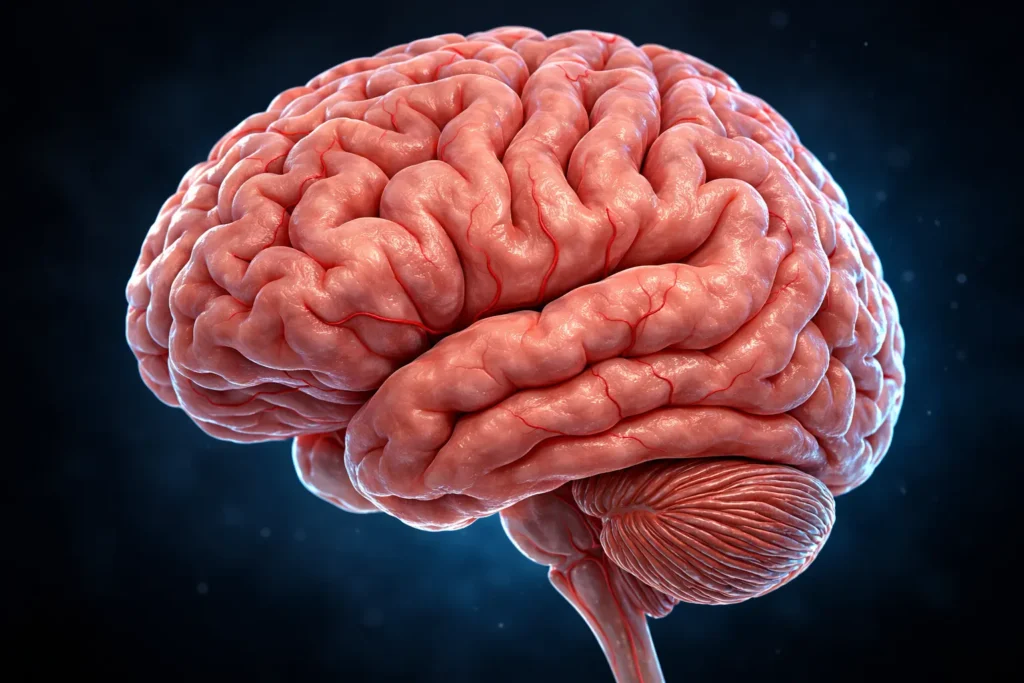
Once receptors are activated, they send electrical signals to a brain structure called the olfactory bulb.
The olfactory bulb acts like a signal processing center that:
- organizes scent information
- amplifies patterns
- prepares signals for higher brain areas
Each smell produces a unique neural pattern, similar to a fingerprint.
These patterns allow the brain to identify whether you are smelling:
- fresh bread
- smoke
- perfume
- citrus
- or even danger.
🧠 Step 4: The Brain Interprets the Smell
After leaving the olfactory bulb, signals travel directly to several brain regions, including:
- The limbic system (emotion)
- The hippocampus (memory)
- The orbitofrontal cortex (conscious smell perception)
This direct connection explains why smell is strongly linked to emotion and memory.
Unlike vision or hearing, smell signals bypass the thalamus, the usual sensory relay station.
As a result, scent processing feels faster, more instinctive, and more emotional.
🌸 Why Humans Can Recognize So Many Different Smells
The incredible range of human smell recognition comes from three factors:
1️⃣ Hundreds of receptor types
Around 400 receptor types create enormous combinations.
2️⃣ Pattern recognition in the brain
The brain recognizes smells using unique neural patterns, similar to how it recognizes faces.
3️⃣ Learning and memory
Over time, the brain learns to associate scents with experiences.
This is why:
- a perfume can feel familiar instantly
- food smells can trigger hunger
- certain odors may evoke powerful memories.
🔗 How Smell Recognition Connects to Memory
Because scent signals travel directly to emotional and memory centers, smells often become powerful memory triggers.
If you’re curious about this fascinating connection, you may also enjoy reading:
👉 Why Scents Trigger Memories: The Powerful Link Between Smell and the Brain
This article explains how certain fragrances instantly bring back childhood memories, emotional moments, and past experiences.
Together, these processes show how the brain transforms simple odor molecules into meaningful experiences.
📊 Quick Summary: How the Brain Recognizes Smells
| Stage | What Happens |
|---|---|
| Odor molecules enter nose | Chemical compounds dissolve in nasal mucus |
| Olfactory receptors activate | Specific receptor combinations respond |
| Signals reach olfactory bulb | Patterns are organized and amplified |
| Brain interprets scent | Memory and emotion centers identify the smell |
This system works in milliseconds, allowing humans to recognize scents almost instantly.
❓ Frequently Asked Questions
How does the brain identify different smells?
The brain identifies smells by analyzing patterns of activated olfactory receptors. Each odor molecule stimulates a unique combination of receptors, creating a neural pattern the brain can recognize.
How many smells can the human brain recognize?
Research suggests humans may distinguish over one trillion different smells, thanks to combinations of hundreds of olfactory receptors.
Why do some smells feel instantly recognizable?
The brain quickly matches new scent patterns with stored memories in areas such as the hippocampus, allowing familiar smells to be recognized immediately.
Why is smell linked to emotions?
Smell signals travel directly to the limbic system, which controls emotions and memory. This direct pathway makes scents strongly associated with emotional experiences.
Do humans have a better sense of smell than they think?
Yes. While animals like dogs have stronger smell sensitivity, humans have surprisingly advanced odor discrimination abilities thanks to complex brain processing.
🧩 Conclusion
The human brain recognizes smells through an extraordinary biological system involving odor molecules, olfactory receptors, neural patterns, and memory centers.
What seems like a simple sniff is actually a highly sophisticated process where chemistry meets neuroscience.
This ability allows humans not only to identify thousands of scents but also to attach them to memories, emotions, and personal experiences—making smell one of the most powerful senses we have.
Discover more from Perfume Cultures
Subscribe to get the latest posts sent to your email.






3 Comments