🌿 Did the Maori People Use Perfume? Exploring Ancient Fragrance Traditions
The Maori, the indigenous people of New Zealand, are known for their rich cultural heritage, intricate tattoos, and deep connection to nature. But did the Maori use perfume in their daily lives or spiritual rituals? While modern perfume as we know it didn’t exist in ancient Maori society, fragrances played a subtle yet significant role in their culture. From native plants to ceremonial practices, scent was intertwined with identity, spirituality, and social life.
In this article, we explore the fascinating world of Maori fragrance traditions, uncovering how natural aromas shaped their daily lives, rituals, and cultural expressions.
🌸 The Role of Nature in Maori Life:
The Maori people have always lived in close harmony with the natural world. Plants, trees, and flowers weren’t just sources of food and medicine—they were essential to spiritual and cultural practices.
Among the native flora, certain plants were particularly valued for their fragrance. For example:
- Harakeke (New Zealand flax): While primarily used for weaving and clothing, some parts of the plant released subtle aromas when crushed.
- Kawakawa leaves: These leaves had medicinal properties and a distinct spicy fragrance, often used in rituals.
- Native flowers: Blossoms such as the Pohutukawa tree, known as the New Zealand Christmas tree, carried a faint, sweet aroma that enhanced ceremonial spaces.
These natural scents were not “perfume” in the modern sense but served as olfactory markers of status, spiritual alignment, and connection to the land.
✨ Fragrance in Maori Rituals and Ceremonies:
Perfume and scent were deeply embedded in Maori rituals. The Maori believed that certain aromas could influence spiritual energy or attract protective spirits. During ceremonies, fragrant plants and natural oils were sometimes used to:
- Purify spaces before important events or gatherings.
- Enhance sacred carvings and meeting houses (wharenui) by placing scented plants nearby.
- Mark significant life events, such as marriages or rites of passage.
One interesting example is the use of tawhiwhi leaves during rituals. These leaves released a delicate aroma when burned or crushed, believed to carry prayers and intentions to ancestors. This shows that fragrance had a symbolic role, connecting the physical and spiritual worlds.
🌿 Everyday Uses of Scent:
While ceremonial use was significant, scent also played a role in daily life. The Maori incorporated fragrant plants into personal grooming and hygiene.
- Hair and body adornment: Certain plant oils and crushed leaves were applied to the hair and skin, leaving a subtle fragrance that signified cleanliness, health, and status.
- Woven adornments: Fragrant plants were sometimes woven into clothing, belts, or headpieces, providing both aesthetic appeal and a natural scent.
- Cultural symbolism: The presence of fragrance could indicate hospitality or mark a person’s readiness for social interaction.
Although far from the modern bottled perfumes, these practices highlight the Maori’s sophisticated understanding of natural fragrances.
🌺 Comparing Maori Fragrance Practices to Other Ancient Cultures:
Interestingly, Maori fragrance traditions share similarities with other ancient civilizations. For example:
| Culture | Use of Fragrance | Key Ingredients |
|---|---|---|
| Egyptians | Rituals, burial ceremonies, cosmetics | Myrrh, frankincense, lotus |
| Greeks | Public baths, perfumes, ointments | Olive oil, herbs, floral extracts |
| Maori | Ceremonies, daily grooming, offerings | Kawakawa, Harakeke, Pohutukawa flowers |
Unlike Egyptians or Greeks, the Maori focused on locally sourced plants rather than imported spices or oils. Their approach was subtle, emphasizing natural aromas integrated with spiritual and cultural life rather than standalone perfumes.
🌸 The Symbolic Power of Scent:
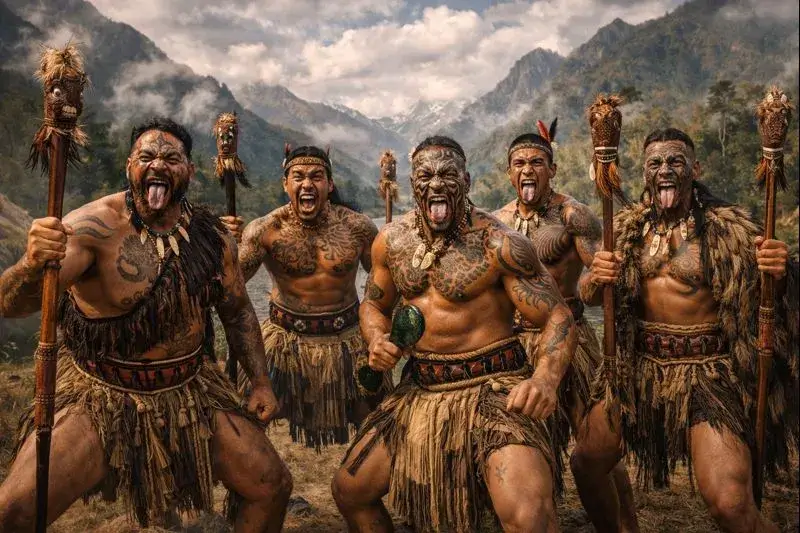
For the Maori, scent was more than a pleasant aroma—it was a form of communication and expression. Certain fragrances could symbolize:
- Spiritual presence: Aromas helped invite ancestral spirits or ward off negative energy.
- Social status: The careful selection of fragrant plants for adornment indicated a person’s rank or role.
- Cultural identity: Using native scents reinforced connections to the land, community, and heritage.
Through this lens, fragrance was deeply intertwined with Maori identity, carrying meanings beyond personal preference.
🌿 Preservation of Fragrance Knowledge:
Much of the Maori fragrance knowledge was passed orally from generation to generation. Traditional healers, known as tohunga, often held secret knowledge about the properties and uses of native plants.
- Recipes for fragrant pastes or oils were closely guarded.
- Specific plants were harvested at precise times to ensure optimal scent.
- Ceremonial practices often included the correct combination of aromas for spiritual efficacy.
Unfortunately, some of this knowledge has been lost over time, especially after European colonization. However, modern efforts in cultural preservation and native plant revival are helping keep these traditions alive.
✨ Modern Inspiration from Maori Fragrances:
Today, perfumers and fragrance enthusiasts are increasingly inspired by indigenous practices, including Maori traditions. Modern perfume brands are exploring:
- Native New Zealand botanicals as unique perfume ingredients.
- Eco-friendly extraction methods inspired by traditional Maori approaches.
- Storytelling through scent, using aromas to convey cultural narratives.
By understanding how the Maori valued natural fragrances, modern perfumery gains both inspiration and a reminder of the deep connections between scent, culture, and identity.
🌸 Final Thoughts:
While the Maori did not use perfume in the conventional sense, fragrance was an integral part of their cultural and spiritual life. From daily grooming practices to elaborate rituals, natural scents shaped social interactions, spiritual experiences, and personal expression.
By studying these ancient traditions, we gain insight not only into Maori culture but also into the universal human fascination with scent—how it can evoke memories, convey messages, and connect us to the natural world.
If you’re intrigued by the role of indigenous fragrances, you’ll love exploring other ancient perfume traditions:
👉 Read next: “Did the Aztecs Use Perfume? Exploring Ancient Fragrance Traditions“
💬 Your Turn:
Which ancient culture’s fragrance traditions fascinate you the most, and why? Share your thoughts in the comments below—we’d love to hear your perspective!
Discover more from Perfume Cultures
Subscribe to get the latest posts sent to your email.