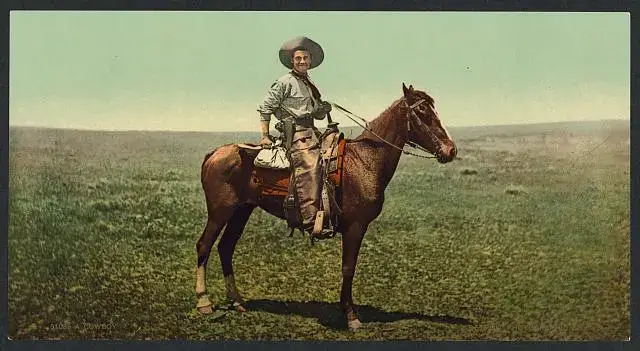
Did Cowboys in the Old American West Wear Perfume?
When most people imagine cowboys of the Old American West, they picture rugged men covered in dust, leather, and sweat—figures shaped by harsh landscapes, long cattle drives, and survival rather than refinement. Perfume, in contrast, feels like a product of salons, aristocracy, or modern luxury. But history is rarely as simple as stereotypes suggest.
So, did cowboys in the Old American West wear perfume? The answer is more nuanced—and more fascinating—than a simple yes or no.
🤠 The Cowboy Image: Myth vs. Reality:
The popular image of the cowboy owes much to Hollywood Westerns and dime novels of the late 19th and early 20th centuries. These stories emphasized toughness, masculinity, and endurance. Cleanliness, grooming, or personal scent rarely made it into the narrative.
In reality, cowboys were working men, not caricatures. Many were former soldiers, immigrants, farmhands, or city dwellers who adapted to frontier life. Their habits didn’t vanish simply because they rode horses for a living.
🧼 Hygiene in the Old American West:
Contrary to popular belief, people in the 1800s cared about cleanliness—even on the frontier. Cowboys bathed whenever water was available, whether in rivers, streams, or communal bathhouses in town.
Soap was common, often homemade from animal fat and lye. Some soaps were lightly scented using herbs like lavender, sage, or rosemary. While this wasn’t “perfume” in the modern sense, it did contribute to personal scent.
Cleanliness wasn’t just about comfort—it was about health. Skin infections, lice, and disease were real threats, and washing helped reduce them.
🌿 Were Perfumes Available in the 19th Century?
Yes—perfume absolutely existed during the cowboy era.
By the mid-to-late 1800s, perfumes and colognes were widely produced in Europe and increasingly in the United States. Popular scents included:
- Bay rum
- Lavender water
- Florida water
- Rose-based colognes
These products were affordable, mass-produced, and sold in general stores, apothecaries, and mail-order catalogs like Sears, Roebuck & Co.
So while a cowboy riding the open range might not carry a crystal perfume bottle, access to scented products was not uncommon.
🧴 What Did Cowboys Actually Use?
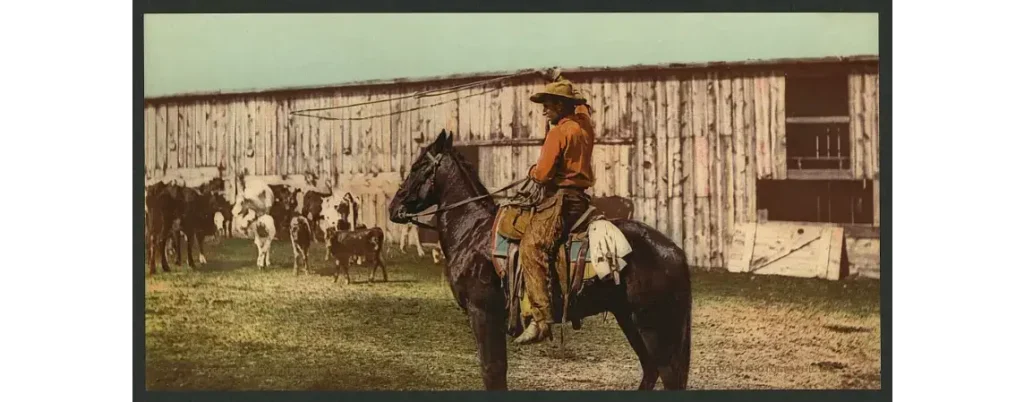
Cowboys were practical. Anything they carried had to justify its weight and usefulness. Full bottles of perfume were unlikely companions on long cattle drives—but lighter, multipurpose scented products were popular.
Common items included:
- Bay rum aftershave – Used to clean the skin and reduce irritation after shaving
- Scented hair tonics – Often alcohol-based and lightly fragranced
- Scented soaps – Compact and useful
These products served both hygiene and scent purposes. Smelling “presentable” mattered, especially when visiting towns, saloons, or social gatherings.
🌬️ Nature vs. Fragrance: Competing Scents:
Life on the frontier came with strong natural smells—horses, leather, campfire smoke, sweat, and dust. Any fragrance a cowboy applied had to compete with these powerful environmental scents.
This reality shaped preferences. Subtle, fresh, alcohol-based scents worked better than heavy, complex perfumes. This is one reason why citrus, herbal, and spicy notes dominated men’s fragrances during the era.
Modern “barbershop” fragrances trace their roots directly to this time period.
🎩 Special Occasions and Town Life:
When cowboys came into town, things changed.
Dance halls, church events, weddings, and social gatherings were opportunities to clean up and make a good impression. On these occasions, wearing cologne or scented products was not only acceptable—it was desirable.
Smelling good signaled self-respect, confidence, and social awareness. In towns, cowboys interacted with merchants, bankers, teachers, and women who were far removed from the dusty trail life.
Perfume, even in its simplest form, played a role in these moments.
🎬 How Hollywood Shaped the Myth:
Western films dramatically simplified cowboy life. Cleanliness and scent didn’t fit the gritty narrative, so they were erased.
The result? A lasting myth that equates masculinity with neglecting grooming. Historically, this idea doesn’t hold up. Men have used fragrance for thousands of years—from ancient Rome to the Ottoman Empire—and cowboys were no exception.
Hollywood gave us unforgettable imagery, but not always accurate history.
🧔 Masculinity and Scent in the 1800s:
In the 19th century, fragrance was not considered feminine. Men openly used colognes, powders, and scented oils. Masculinity was associated with being well-kept, not careless.
Scents like bay rum, tobacco, leather, citrus, and herbs were seen as strong, respectable, and masculine—qualities every cowboy valued.
Interestingly, many modern “men’s fragrances” attempt to recreate this rugged-yet-clean identity.
🌎 Regional Differences in the Old West:
Not all cowboys lived the same way.
- Cowboys near coastal cities had greater access to imported perfumes
- Those closer to Mexico encountered different scent traditions using spices and resins
- Wealthier ranch owners often used higher-quality grooming products
This diversity challenges the idea of a single “cowboy lifestyle.” Scent habits varied just as much as accents and clothing.
🕰️ Did Cowboys Wear Perfume? The Final Answer:
So—did cowboys in the Old American West wear perfume?
Yes, but not in the way we imagine today.
They didn’t wear luxury fragrances for self-expression. Instead, they used simple, functional scented products tied to hygiene, grooming, and social respectability. Perfume wasn’t about vanity—it was about practicality and presence.
Understanding this gives us a richer, more human view of cowboy life—one that smells a little cleaner than Hollywood suggests.
If you found this exploration of scent in the Old American West intriguing, you may enjoy discovering how other historical cultures used fragrance in unexpected ways.
👉 Read next: “Ottoman Perfumers: The Hidden Masters Behind Fragrance Traditions” — a deep dive into how scent shaped identity, power, and daily life across a very different frontier.
If cowboys of the Old American West cared about how they smelled, it raises an intriguing question—how many other “rugged” historical myths would change if we followed the scent instead of the stereotype?
Discover more from Perfume Cultures
Subscribe to get the latest posts sent to your email.