
Ottoman Perfumers: The Hidden Masters Behind Fragrance Traditions
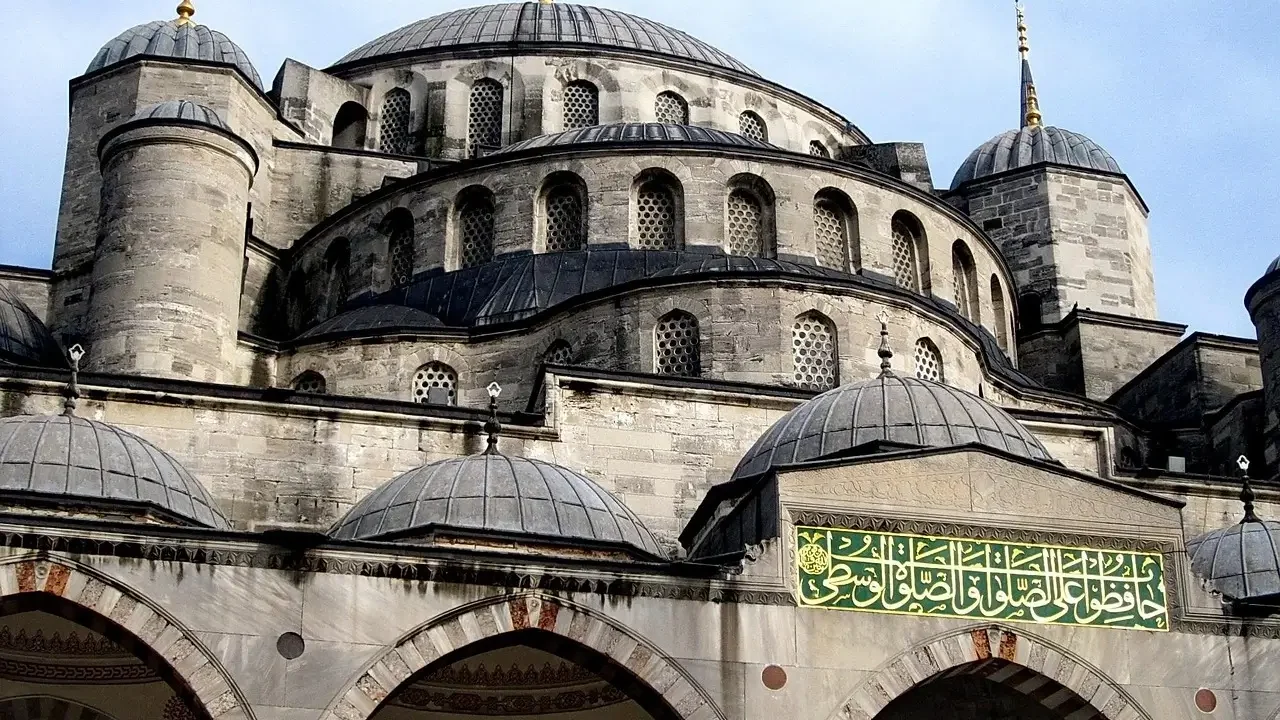
The Ottoman Empire was not only a political and cultural powerhouse — it was a kingdom of scent. From the royal palaces of Istanbul to the bustling bazaars of Bursa, fragrance was woven into every aspect of life. The Ottoman perfumers, often hidden behind the curtains of history, shaped perfume traditions that would later influence both the Middle East and Europe in profound ways.
This is the story of their artistry, their materials, and their legacy — the unseen hands that turned aroma into an empire’s identity.
🌿 The Role of Perfume in Ottoman Daily Life:
In Ottoman society, perfume was more than a luxury; it was a symbol of purity, hospitality, and refinement. The Ottomans believed that pleasant smells uplifted the soul and reflected good manners. Perfumes were used in homes, mosques, and baths, and were offered to guests as gestures of warmth and respect.
Men and women alike anointed themselves with delicate scents such as rose, amber, musk, and sandalwood, while homes were perfumed using incense burners called “buhurdan”. Even public baths, or hammams, were designed as sensory experiences — the steam infused with oils that soothed the body and spirit.
Perfume was not merely cosmetic; it was spiritual and social, linking the physical to the divine.
🏺 The Artisans Behind the Scents:
The true magic came from the Ottoman perfumers, known as attars or ittarci, who blended raw ingredients with a level of precision that rivaled the finest European craftsmen. These perfumers worked discreetly for royal patrons or within the Grand Bazaar, producing fragrances that were both subtle and complex.
Each attar was a chemist, botanist, and artist. They used natural extraction techniques to derive essential oils from plants, resins, and flowers. Distillation, maceration, and enfleurage were among the techniques they refined — centuries before these became staples of the modern perfume industry.
Their creations weren’t stored in simple bottles; crystal flasks, gold filigree containers, and hand-painted ceramics were often used to preserve the scents, turning every perfume into a piece of art.
🌹 Roses, Ambers, and Musks: Signature Ottoman Ingredients:
The Ottoman Empire’s geography gave perfumers access to an incredible range of ingredients from three continents — Europe, Asia, and Africa.
| Ingredient | Origin | Use in Ottoman Perfumes |
|---|---|---|
| Rose (Gül) | Isparta and Edirne | The heart of Ottoman fragrances; used in oils and rosewater. |
| Ambergris | From the Indian Ocean | Added a warm, lasting depth to elite perfumes. |
| Musk | Central Asia | Provided sensual, animalic tones favored by royals. |
| Oud (Agarwood) | Arabia and India | Used in incense and oils; symbol of status. |
| Saffron | Anatolia and Persia | Added both color and a rare spicy note. |
The Ottoman rose, particularly from Isparta, became legendary — so much so that modern Turkish rose oil is still prized worldwide. Combining floral and resinous tones, Ottoman perfumes balanced elegance with endurance, designed to linger throughout the day.
🕌 Perfume and Religion: The Scent of Spirituality:

Scent held a sacred status in Islam, and thus in Ottoman life. Prophet Muhammad’s fondness for perfume was well-known, and this reverence carried into Ottoman religious culture.
Before prayers, people would perfume themselves with rosewater or amber oil, believing that fragrance purified the soul and honored God. Mosques were regularly scented with burning incense, turning worship into a multisensory ritual.
The Topkapi Palace, home to Ottoman sultans, even had dedicated fragrance chambers for storing rare attars and incense — a reminder that perfume was not only for adornment but also for devotion.
👑 Perfume at the Ottoman Court:
No place symbolized the Ottoman passion for perfume more than the royal court. Sultans like Suleiman the Magnificent surrounded themselves with perfumers, herbalists, and aromatherapists who crafted exclusive blends for the palace.
Court perfumers worked with the harem and noble families to create unique personal scents — mixtures so secret that recipes were guarded for generations. Fragrances were also used as diplomatic gifts, sent to European monarchs and ambassadors as tokens of refinement and wealth.
Perfumed writing paper, embroidered sachets, and scented fountains were part of daily royal life, reflecting how deeply fragrance was tied to status and beauty in the empire.
🧴 The Connection Between Ottoman and European Perfume Traditions:
As the Ottoman Empire expanded westward, its cultural influence seeped into Europe — including the world of fragrance. Venetian and French traders imported rose oil, ambergris, and musk from Ottoman markets, and European perfumers began experimenting with Eastern ingredients.
Historians note that Grasse, the perfume capital of France, built its early fame by adapting Ottoman extraction and blending techniques. The love of heavy, resinous perfumes in 17th- and 18th-century Europe can be traced directly back to Ottoman influence.
This exchange transformed perfumery into a global art form, merging the botanical richness of the East with the aesthetic precision of the West.
🧿 Preserving the Legacy: Ottoman Scents in Modern Turkey:
Although the empire is long gone, the Ottoman perfume heritage lives on in modern Turkey’s fragrance culture. Today, brands and artisans are reviving traditional attar-making methods, creating scents inspired by historical formulas found in palace archives.
Visitors to Istanbul can still experience this heritage in places like the Spice Bazaar or Üsküdar’s perfumer shops, where rosewater, amber oil, and oud remain as popular as ever.
Modern perfumers are even infusing Ottoman-style attars with contemporary notes — blending heritage and innovation to appeal to today’s global audience.
🔮 Why Ottoman Perfumers Remain “Hidden Masters”:
Despite their enormous contribution, Ottoman perfumers rarely receive recognition in mainstream fragrance history. Western narratives often highlight French or Italian houses, yet the foundations of global perfumery owe much to the East, especially the Ottomans who perfected the art of scent long before modern laboratories existed.
Their mastery lay not only in technique but in philosophy — viewing fragrance as a bridge between body, mind, and soul. Every drop told a story of empire, faith, and beauty.
If the mysterious world of Ottoman perfumers captured your imagination, you’ll love exploring how other civilizations used scent to express power and identity.
👉 Read next: “Perfume in Korean Culture: Tradition Meets Modern Beauty” to discover another fascinating fragrance legacy from the East.
Discover more from Perfume Cultures
Subscribe to get the latest posts sent to your email.



4 Comments