
How Perfumes Shaped Modern Europe: A Fragrant History
Perfume is more than just a pleasant fragrance. It is a cultural marker, a social tool, and at times, even a political weapon. From the royal courts of France to the bustling markets of Venice, perfumes shaped the very essence of modern Europe. They influenced fashion, medicine, trade, and even diplomacy. This fragrant history reveals how scents traveled, transformed, and ultimately helped define European identity.
From Ancient Roots to European Renaissance:
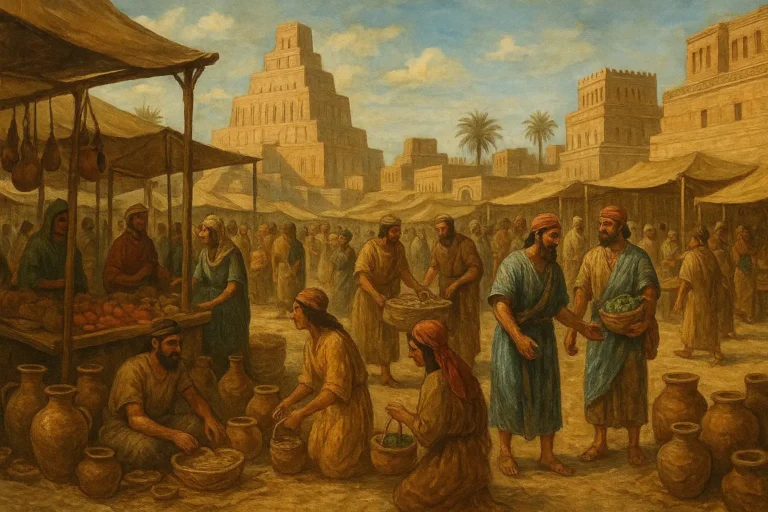
Although the origins of perfume trace back to Mesopotamia and Egypt, Europe adopted perfumery during the Middle Ages and Renaissance. Crusaders returning from the Middle East brought back exotic ingredients like musk, amber, and rosewater. These foreign aromas captivated European nobles and ignited a passion for scent.
- Italy and Venice became gateways for spices and resins from Asia and the Arab world. Venetian merchants turned perfume trade into a symbol of wealth.
- Renaissance Florence was home to Catherine de’ Medici, who popularized perfume at the French court when she married King Henry II of France.
Perfume was no longer just about masking unpleasant odors—it became an art form, blending science and aesthetics.
The French Court: Perfume as Power:
No story of perfume in Europe is complete without France. By the 17th century, Paris had become the perfume capital of the world. The French court, particularly under Louis XIV (known as the “Perfumed King”), used fragrances as a symbol of refinement and political status.
- Versailles was said to smell of flowers and ambergris, as courtiers drenched themselves in scented waters to hide poor hygiene.
- Perfume makers were elevated in status, gaining royal patronage and setting strict quality standards.
- By the 18th century, Grasse in southern France had become the hub of perfume production, cultivating fields of jasmine, rose, and orange blossom.
Perfume was not just about personal pleasure—it was about power, prestige, and identity.
Perfume and Medicine in Modern Europe:
During the Renaissance and well into the Enlightenment, perfumes were considered medicinal. Doctors prescribed aromatic waters infused with herbs and spices to ward off disease. When the Black Death struck, people believed strong fragrances like vinegar of the four thieves, lavender, and rosemary could protect against infection.
This medical association helped perfume gain legitimacy across Europe. Apothecaries and perfumers often worked side by side, blurring the line between fragrance and pharmacy.
The Rise of Perfume in Daily Life:
By the 18th and 19th centuries, perfume was no longer exclusive to nobility. The industrial revolution allowed mass production, and new glassmaking techniques made perfume bottles more affordable. Middle-class Europeans began to adopt perfumes, integrating them into everyday routines.
- Cologne (Köln, Germany) became famous for Eau de Cologne, a refreshing citrus-based fragrance invented in 1709 by Johann Maria Farina. This perfume spread across Europe and remains iconic today.
- Scented soaps, powders, and lotions became part of grooming habits, making perfume more accessible to the general public.
Perfume was democratized—it was no longer only for kings and queens but for the rising European middle class.
Perfume and Fashion: A Perfect Marriage:
The 19th century saw the rise of major fashion houses in Paris, and perfumes became an extension of couture. Designers realized that fragrance could embody the spirit of their creations.
- In 1889, Aimé Guerlain launched Jicky, one of the first modern perfumes to blend natural and synthetic ingredients, paving the way for artistic creativity.
- Later, fashion designers like Paul Poiret and Coco Chanel introduced perfumes under their labels. Chanel No. 5 (1921) became the epitome of modern luxury and remains one of the best-selling perfumes in the world.
Perfume shaped European fashion identity, making Paris not just the fashion capital but also the fragrance capital.
The Global Expansion: Perfume as Diplomacy and Trade:

European perfumes became highly desirable exports, spreading across Asia, the Middle East, and the Americas. They were not just goods but symbols of European sophistication. Perfume played a subtle role in colonial encounters, where European scents were marketed as superior to local traditions.
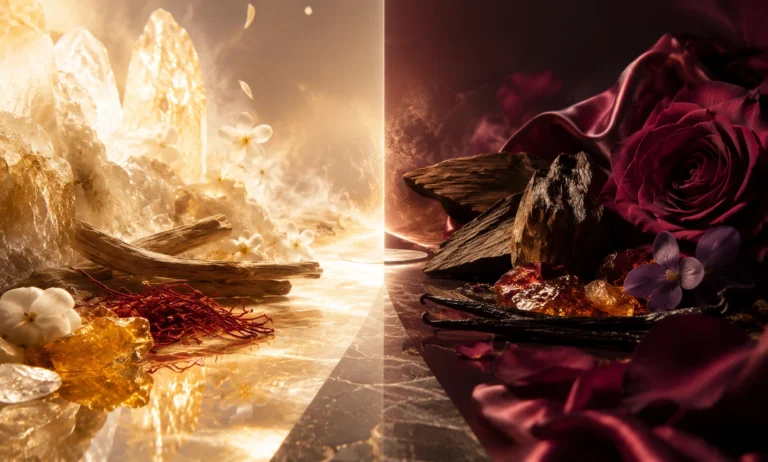
At the same time, Europe absorbed influences from abroad—patchouli from India, vanilla from the Americas, and oud from the Middle East—making European perfumery a global dialogue of scents.
Perfume in Literature and Art:
Perfume shaped not only fashion and trade but also European imagination. Writers like Patrick Süskind (in his novel Perfume: The Story of a Murderer) explored the darker side of scent obsession, while poets like Baudelaire used fragrance metaphors to express beauty and desire. Artists painted blooming gardens and perfumed boudoirs, symbolizing luxury and sensuality.
Perfume was no longer just a physical product—it became a cultural symbol embedded in the arts.
The Modern European Perfume Industry:
Today, Europe remains the heart of the global perfume industry. France, especially Grasse and Paris, still dominates, but Italy, Spain, and Germany also play significant roles.
- Luxury brands like Dior, Guerlain, and Chanel uphold Europe’s fragrant legacy.
- Independent niche houses, such as Serge Lutens and Diptyque, continue to experiment with unconventional notes.
- Sustainability has become a new focus, with European perfumers embracing organic farming and eco-friendly packaging.
The history of perfume in Europe is still unfolding—rooted in tradition but evolving with modern values.
Conclusion: A Fragrant Legacy That Still Shapes Us:
Perfume shaped modern Europe in profound ways. It influenced medicine, fashion, trade, and culture, weaving itself into the continent’s very identity. What began as exotic oils and herbs brought back from distant lands became symbols of power in royal courts, everyday luxuries for the middle class, and timeless artistic expressions.
Even today, when we spray a fragrance, we are not just wearing a scent—we are wearing history. The story of modern Europe cannot be told without perfume, its silent yet powerful companion.
What about you—do you own a fragrance that makes you feel connected to European history or culture? Share your thoughts below; your story could inspire someone else’s fragrant journey!
Discover more from Perfume Cultures
Subscribe to get the latest posts sent to your email.