Is It Worth Owning More Than One Bleu de Chanel Version?
Buying your first Bleu de Chanel is relatively simple. Deciding whether a second version truly deserves a place in your collection is much harder.
That is because EDT, EDP, Parfum, and L’Exclusif are not merely increasingly stronger concentrations. EDT emphasizes bright citrus and energetic freshness, EDP offers the most versatile balance, Parfum moves toward creamy sandalwood and refined woods, while L’Exclusif introduces darker amber, resin, leather, and cold-weather depth.
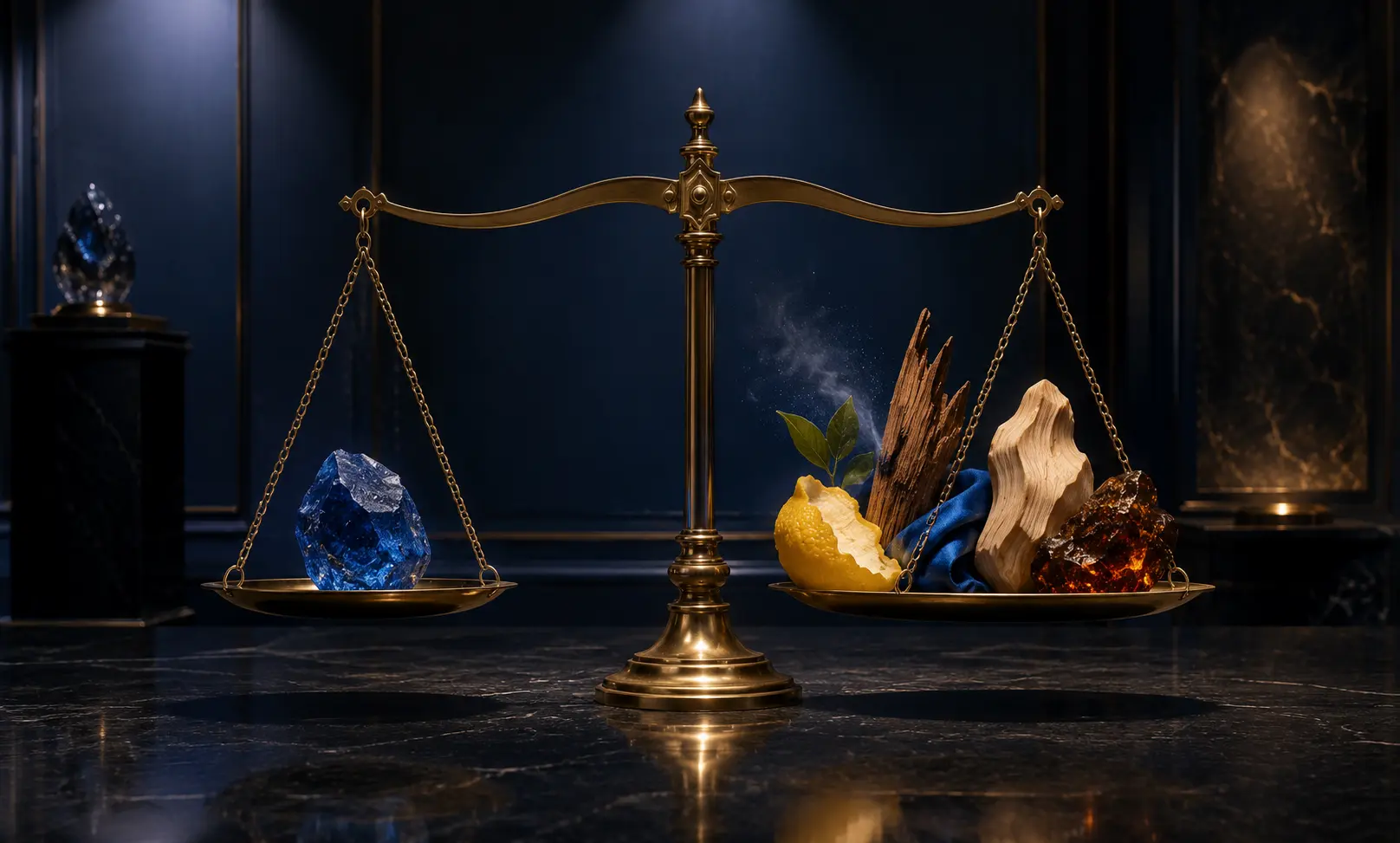
For most people, one well-chosen bottle is enough. Owning more than one Bleu de Chanel version becomes worthwhile only when each fragrance performs a clearly different job—such as EDT for hot daytime wear and Parfum or L’Exclusif for dates, formal occasions, and cooler evenings. If both bottles would be worn in the same weather, with the same clothes, and for the same occasions, the second purchase may add duplication rather than versatility.
The real question is therefore not simply which version smells better. It is whether another Bleu de Chanel would genuinely expand your fragrance wardrobe—or make you pay a luxury price for a familiar experience you already own.
If you are still mapping the differences between all four interpretations, begin with the complete guide to Bleu de Chanel before deciding whether your current bottle leaves a meaningful gap.
⚡ Quick Verdict: Is a Second Version Worth Buying?
Is it worth owning more than one Bleu de Chanel version?
Owning more than one Bleu de Chanel version can be worthwhile when each bottle serves a different season, occasion, or style. EDT combined with Parfum or L’Exclusif offers the clearest contrast. However, most casual wearers need only one version, particularly if they already own the versatile EDP.
For most people, one carefully selected Bleu de Chanel is enough. The collection was designed around versatility, and the EDP in particular can cover work, weekends, dates, travel, and many formal occasions without creating an obvious need for another concentration.
A second version makes sense when it adds a function your first bottle cannot perform as effectively. Examples include pairing a bright EDT for hot daytime conditions with a smoother Parfum for dinners, weddings, and cooler evenings.
A second bottle becomes harder to justify when both versions occupy nearly the same position in your wardrobe. If you apply them with the same number of sprays, during the same weather, for the same occasions, the difference may feel interesting without being practically valuable.
The shortest verdict is:
- Buy a second version when it creates a clear fresh-versus-deep, daytime-versus-evening, or summer-versus-winter division.
- Keep only one version when you want a dependable signature fragrance and do not regularly change scents by occasion.
- Sample before buying when the difference exists mainly in texture, smoothness, or dry-down rather than in overall identity.
🧬 How Similar Are the Four Bleu de Chanel Versions?
All four versions share recognizable elements: clean freshness, aromatic structure, dry woods, polished masculinity, and varying degrees of cedar and sandalwood. This family resemblance is the reason owning several versions can feel either satisfying or repetitive.
The differences are not simply changes in concentration.
The EDT is not merely a weaker EDP. The EDP is not simply a louder EDT. Parfum does not automatically project more strongly because its concentration is higher, and L’Exclusif changes the emotional direction of the collection rather than only increasing its intensity.
The important distinction is function.
| Version | Dominant Character | Freshness | Depth | Best Practical Role | Overlap Risk |
|---|---|---|---|---|---|
| Eau de Toilette | Bright, citrusy, aromatic, energetic | Very high | Moderate | Hot weather, daytime and casual wear | Moderate with EDP |
| Eau de Parfum | Fresh, warm, woody and balanced | High | High | One-bottle versatility and daily wear | High with EDT or Parfum |
| Parfum | Smooth, creamy, woody and refined | Moderate | Very high | Formal wear, dates and polished evenings | Moderate with EDP or L’Exclusif |
| L’Exclusif | Dark, warm, ambery, resinous and leathery | Low–moderate | Exceptional | Cold weather, evenings and luxury occasions | Moderate with Parfum |
🍋 EDT: The Clearest Source of Contrast
The EDT is the easiest version to combine with one of the deeper interpretations because it occupies the brightest end of the collection.
Its citrus-forward opening, lighter woody structure, and energetic presentation make it particularly useful during summer, daytime, outdoor activities, commuting, and casual professional settings. It creates a faster and more noticeable impression of freshness, even if its later performance becomes quieter.
The dedicated Bleu de Chanel Eau de Toilette review explains its development and performance in greater detail, but its role within a two-bottle collection is straightforward: it supplies freshness that Parfum and L’Exclusif intentionally reduce.
If you already own EDT, a deeper version can add something meaningful. If you already own EDP, buying EDT is more dependent on how strongly you value warm-weather brightness.
🌊 EDP: The Versatile Middle Ground
The EDP creates the greatest risk of unnecessary overlap because it borrows useful characteristics from both sides of the collection.
It retains enough freshness to compete with EDT in many daytime situations, while its warmer woods and smoother dry-down allow it to approach some of the occasions served by Parfum. This is precisely why it is such a strong one-bottle purchase—and why some EDP owners may not need anything else.
As detailed in the Bleu de Chanel Eau de Parfum review, the EDP’s strength lies in balance rather than specialization. It may not be the freshest, darkest, smoothest, or richest version, but it usually creates the fewest practical limitations.
An EDP owner should therefore buy a second version only by moving toward an extreme:
- Choose EDT for substantially brighter warm-weather energy.
- Choose L’Exclusif for substantially darker evening depth.
- Choose Parfum only if smoothness and refined sandalwood matter enough to justify a subtler difference.
🌲 Parfum: More Than a Stronger EDP, but Still Related
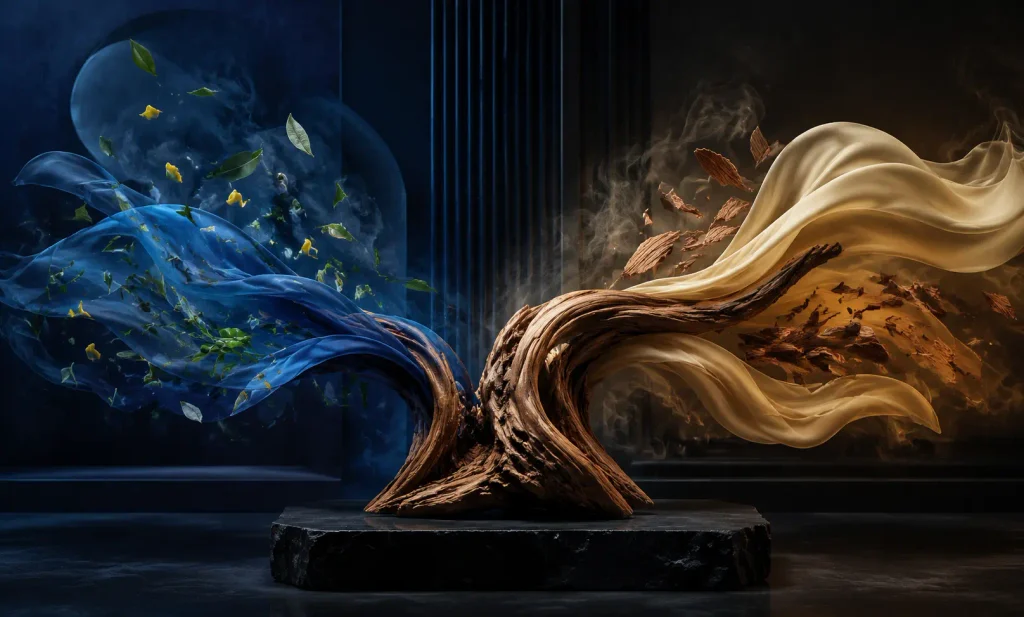
Parfum reduces the sparkling quality of the fresher versions and places greater emphasis on polished woods, creamy sandalwood, controlled projection, and close-range elegance.
The difference is meaningful to someone who pays attention to texture and dry-down. It may be less meaningful to someone who mainly wants other people to notice that they are wearing Bleu de Chanel.
This creates a specific type of overlap: EDP and Parfum can suit many of the same occasions, but they communicate differently. EDP feels more adaptable and energetic; Parfum feels smoother, calmer, and more deliberately dressed.
🌑 L’Exclusif: The Furthest Departure
L’Exclusif is the most specialized interpretation. Its warmer woods, amber, resinous depth, leathery facets, and reduced brightness move it beyond the conventional expectations of a versatile blue fragrance.
It still belongs to the Bleu de Chanel family, but its darker personality gives it the clearest independent role after EDT. It works best when your existing version is too bright, casual, or lightweight for the occasions you want to cover.
⚖️ Where Does Overlap Become Too Great?
The amount of overlap depends on how you wear fragrance, not only on how the fragrances smell on paper.
EDT and EDP can justify their coexistence for someone who experiences long, hot summers and still wants a fuller all-season bottle. For a casual wearer who uses both at work, however, the difference may not be valuable enough.
Our direct comparison of Bleu de Chanel EDT vs EDP explores that specific choice, but the practical rule is simple: the closer two versions are in freshness, occasion, and dress code, the stronger your personal preference must be to justify owning both.
🧩 What Are the Best Bleu de Chanel Versions to Own Together?
Which two Bleu de Chanel versions make the best combination?
Featured Snippet: EDT and Parfum form the best Bleu de Chanel two-bottle combination for most collectors because EDT provides bright warm-weather freshness while Parfum adds smooth evening elegance. EDT and L’Exclusif create the greatest contrast, while EDP and L’Exclusif are ideal for buyers who want everyday versatility plus a darker special-occasion scent.
| Combination | Degree of Contrast | Roles Covered | Value Rating | Buying Verdict |
|---|---|---|---|---|
| EDT + Parfum | High | Summer days, work, dates and formal evenings | 9/10 | Best balanced pairing |
| EDT + L’Exclusif | Very high | Extreme heat through cold-weather nights | 9/10 | Best for maximum contrast |
| EDP + L’Exclusif | High | Everyday wear plus darker special occasions | 8.5/10 | Best pairing for an EDP owner |
| EDT + EDP | Moderate | Fresh daytime wear plus all-season versatility | 7/10 | Useful but potentially repetitive |
| EDP + Parfum | Moderate | Versatile daily wear plus refined evenings | 6.5/10 | Worthwhile for detail-focused wearers |
| Parfum + L’Exclusif | Moderate | Elegant occasions plus dark winter wear | 6/10 | Luxurious but specialized |
🥇 EDT + Parfum: The Best Overall Pairing
EDT and Parfum create the most balanced two-bottle Bleu de Chanel wardrobe.
The EDT handles warm afternoons, casual clothing, travel, work, outdoor events, and situations where brightness feels more appropriate than density. Parfum takes over during dinners, weddings, close dates, formal meetings, and cooler evenings.
Their shared DNA creates continuity, but their presentation is sufficiently different to make changing bottles feel purposeful. One is open and energetic; the other is smooth, controlled, and intimate.
The Bleu de Chanel Parfum review provides a closer examination of its sandalwood-driven refinement. It is especially useful for EDT owners who are unsure whether Parfum adds enough elegance to justify the upgrade.
Buy this combination if: you want the most practical difference without moving into the heavier, more specialized character of L’Exclusif.
Avoid this combination if: you need strong projection from both bottles or rarely attend evening and formal occasions.
🥈 EDT + L’Exclusif: The Greatest Contrast
This is the most dramatically separated pairing.
EDT occupies the brightest, airiest side of the collection, while L’Exclusif occupies the darkest and warmest. Together, they cover hot outdoor days, professional daytime wear, cold evenings, formal dinners, and occasions where you want greater depth and presence.
This pairing is particularly logical for someone living in a climate with pronounced seasonal changes—or for an EDT owner who already has casual versatility but wants something substantially richer.
The disadvantage is that the middle ground remains less represented. EDT may feel too fresh for some evenings, while L’Exclusif may feel too dense for mild everyday conditions. A separate versatile fragrance from another line may still be needed.
Buy this combination if: you value maximum separation and want each bottle to have an unmistakable job.
Avoid this combination if: most of your fragrance use occurs in offices, warm weather, or casual indoor environments.
🥉 EDP + L’Exclusif: The Smartest Upgrade for EDP Owners
If you already own EDP, L’Exclusif is usually the strongest candidate for a second bottle.
The EDP already provides freshness, warmth, professional polish, date-night usefulness, and year-round adaptability. Buying EDT or Parfum may improve one area, but L’Exclusif creates a more obvious expansion into dark woods, amber, resin, leather, cold weather, and formal evening wear.
This combination allows the EDP to remain your dependable default while L’Exclusif becomes the deliberate choice for occasions when you want Bleu de Chanel to feel more commanding and less familiar.
Buy this combination if: you love the Bleu de Chanel identity but want a noticeably richer evening interpretation.
Avoid this combination if: you live in persistent heat or rarely wear fragrance at night.
🔄 EDT + EDP: Useful, but More Similar Than Necessary
Owning EDT and EDP can make sense, particularly for someone who considers Bleu de Chanel a signature scent.
EDT offers a sharper, brighter opening and greater comfort in heat. EDP adds warmth, body, consistency, and broader day-to-night versatility. A devoted wearer may appreciate this distinction every time the weather or dress code changes.
For the average buyer, however, the EDP can perform most of the EDT’s practical jobs reasonably well. The difference may not justify the cost of another full bottle unless freshness is one of your highest priorities.
Buy this combination if: you wear Bleu de Chanel frequently enough to notice and use the difference.
Avoid this combination if: you want maximum variety from a small fragrance collection.
🪵 EDP + Parfum: Refinement Rather Than Reinvention
This pairing is attractive but less transformative.
EDP works almost everywhere. Parfum makes the experience creamier, smoother, woodier, and more intimate. That can be valuable for formal clothing, close social settings, and buyers who care deeply about dry-down quality.
The problem is functional overlap. Both can work at the office, on dates, at weddings, during travel, and across multiple seasons. Parfum improves the mood and texture more than it creates an entirely new use case.
Buy this combination if: subtle differences in polish and sandalwood meaningfully affect your enjoyment.
Avoid this combination if: your priority is expanding the number of situations your collection covers.
🌘 Parfum + L’Exclusif: Luxurious but Specialized
Parfum and L’Exclusif are not identical. Parfum feels smoother, creamier, more polished, and more restrained, while L’Exclusif feels darker, warmer, denser, more resinous, and more imposing.
Nevertheless, both lean toward depth rather than bright freshness. Owning them together creates an elegant evening-focused wardrobe but leaves greater duplication than EDT paired with either one.
This combination is best for collectors, dedicated Bleu de Chanel enthusiasts, or wearers whose lifestyle revolves around formal settings, dinners, cooler conditions, and understated luxury.
🗓️ Seasons, Occasions, and Real-World Use
A second version earns its place when it changes which bottle you naturally reach for.
If you still hesitate every morning because both versions seem equally appropriate, you probably purchased too much overlap. If the weather, outfit, or occasion makes the choice immediate, the pairing is working.
☀️ Summer and Hot Weather
EDT provides the clearest practical advantage in heat. Its citrus-aromatic brightness and lighter structure usually feel more comfortable during warm commutes, outdoor lunches, daytime events, and casual weekends.
EDP can also work in summer when sprayed conservatively, particularly indoors or at night. Parfum is better reserved for controlled environments and milder evenings, while L’Exclusif is the least naturally suited to intense daytime heat.
For someone living in a predominantly hot climate, EDT may receive considerably more wear than a deeper second bottle. The second purchase should therefore be chosen for specific evenings and cooler months—not treated as an equal daily option.
❄️ Fall and Winter
Cooler weather provides the strongest argument for adding Parfum or L’Exclusif to EDT or EDP.
Parfum brings smoother cedar and sandalwood without becoming excessively heavy. L’Exclusif creates a more substantial shift toward amber, resin, leather, and dark woods. The complete Bleu de Chanel L’Exclusif review can help determine whether that richer direction fits your climate and wardrobe.
The key consideration is frequency. A winter-oriented bottle offers poor value if your climate provides only a few realistic opportunities to wear it.
💼 Work and Everyday Wear
EDP is the most efficient professional choice because it balances freshness, body, and controlled projection. EDT is excellent for casual offices, warm commutes, and daytime-facing roles. Parfum suits formal workplaces where subtle polish matters more than energetic freshness.
L’Exclusif can work in professional settings, but its density requires restraint. It makes more sense for evening business events or cooler formal environments than for everyday shared offices.
If work represents most of your fragrance use, owning both EDT and EDP may be more practical than buying a specialized evening bottle—even though the scent difference is smaller.
❤️ Dates, Dinners, and Night Wear
Parfum and L’Exclusif become more persuasive after dark.
Parfum creates an intimate, smooth, well-dressed impression that works naturally at restaurants, weddings, hotel lounges, and close dates. L’Exclusif creates greater darkness and drama, especially during colder evenings.
EDP remains the safe option when the occasion begins during the day and continues into the evening. EDT works well for casual daytime dates but may feel less substantial in formal nighttime settings.
💍 Weddings and Formal Events
Parfum is arguably the most naturally elegant version for weddings and refined indoor events. Its controlled projection reduces the risk of overwhelming a table, ceremony, or close conversation.
L’Exclusif can create a stronger luxury impression at a cold-weather evening wedding, while EDP is the better choice for long events moving between outdoor and indoor spaces.
Owning a formal version makes financial sense only if those occasions occur often enough. A fragrance worn twice per year may be beautiful without representing good value.
✈️ Travel and Small Collections
Travel increases the value of versatility.
If you want to pack only one bottle, EDP is difficult to beat. It can handle meetings, dinners, sightseeing, flights, and changing temperatures with minimal risk.
A two-version travel wardrobe rarely makes sense unless the trip includes sharply different climates or dress codes. For most people, a versatile bottle plus a small sample of the more specialized version is more efficient than carrying two full bottles.
💵 Is a Second Bleu de Chanel Better Than a Different Fragrance?
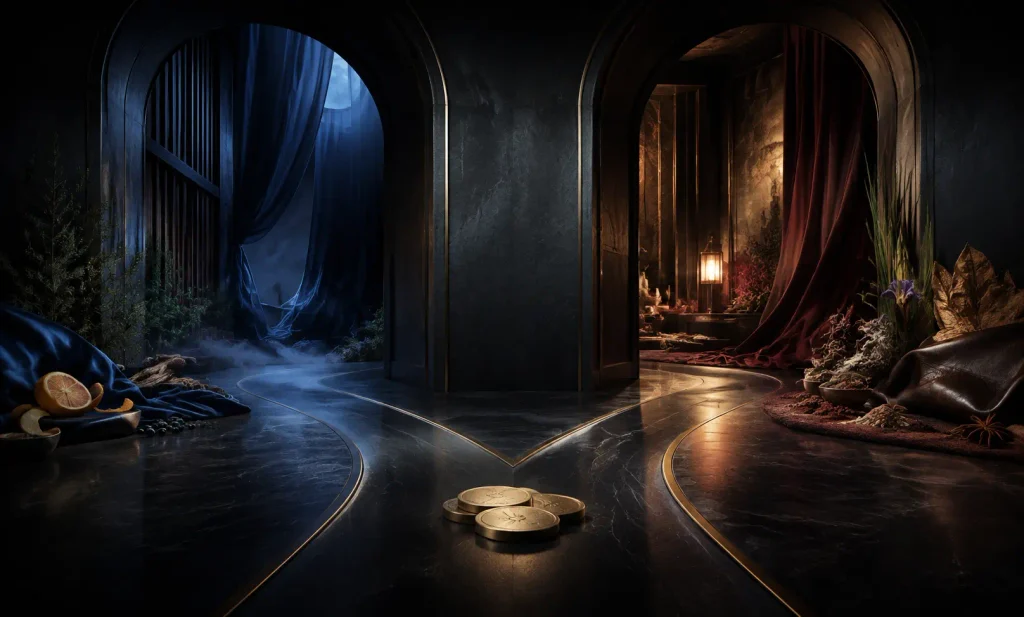
This is the most important financial question in the article.
A second Bleu de Chanel may improve your wardrobe, but a fragrance from another family could expand it much more dramatically. Instead of moving from fresh woods to deeper fresh woods, the same budget could add leather, tobacco, vetiver, iris, marine freshness, spices, or a distinctive niche composition.
The second Bleu de Chanel is the better purchase when you want continuity. A different fragrance is the better purchase when you want discovery.
Before buying, ask:
- Does the second version cover a season or occasion my current bottle handles poorly?
- Would I realistically wear it at least several times per month during its best season?
- Can I identify and appreciate the difference after several hours—not only during the opening?
- Do I want another expression of Bleu de Chanel more than a completely new scent profile?
- Can I purchase it comfortably without needing the bottle to perform every possible role?
If you answer “yes” to at least three or four questions, a second version may provide genuine value. If your only reason is completing the set, treat the purchase as collecting rather than practical fragrance buying.
There is nothing wrong with collecting. The mistake is evaluating a collector’s purchase as though it were a necessary wardrobe investment.
👤 Who Should Own Multiple Versions?
Owning more than one version is most logical for someone who:
- Considers Bleu de Chanel a personal signature.
- Wears fragrance frequently across different settings.
- Experiences meaningfully different seasons.
- Wants consistent brand DNA with different levels of freshness and depth.
- Notices texture, dry-down, sandalwood, woods, amber, and projection style.
- Has enough budget to buy a specialized bottle without demanding daily versatility.
- Prefers intentional rotation over owning many unrelated fragrances.
- Has tested both versions through complete skin wearings.
- Knows exactly what the current bottle fails to provide.
A second version can also make sense for someone maintaining a very small collection. EDT plus Parfum, for example, can cover many casual, professional, romantic, and formal situations without requiring a large number of unrelated bottles.
🚫 Who Probably Needs Only One Version?
One bottle is usually enough if you:
- Wear fragrance only occasionally.
- Use the same scent for work, weekends, and evenings.
- Prefer simplicity over rotation.
- Own several other fragrances that already cover different seasons.
- Cannot easily distinguish the versions after the opening.
- Want the greatest variety from every purchase.
- Are buying mainly because one concentration appears stronger or more prestigious.
- Expect a second version to smell completely unrelated.
- Need to stay within a carefully controlled fragrance budget.
EDP is the most logical single-bottle choice for most people because it avoids the largest limitations of the other versions. EDT may be the better one-bottle choice in consistently hot climates, while Parfum can serve as a signature for someone whose style is formal, mature, and understated.
L’Exclusif is the least universal single-bottle option, but it can still work for a wearer who consistently prefers darker woods and richer fragrances.
🧪 Sample First and Buy the Second Bottle Strategically
Never evaluate the need for a second version from a paper strip alone.
Test it on skin for several complete wearings and compare:
- The opening after 15–30 minutes.
- The transition after two or three hours.
- The dry-down late in the day.
- Performance indoors and outdoors.
- Comfort in your normal climate.
- How often you would choose it over your existing bottle.
Avoid testing the two versions on opposite arms and constantly moving them toward your nose. This can cause sensory fatigue and exaggerate small differences. Wear each version on separate days under similar conditions.
When buying a second version, a smaller bottle is often the smarter commitment. Your first Bleu de Chanel may remain your everyday fragrance, while the second receives occasional seasonal or evening use. Paying more per milliliter for a manageable size can be financially wiser than owning a larger bottle you will not finish.
✅ Final Verdict
Owning more than one Bleu de Chanel version is worth it when the bottles create a clear division of labor.
For most buyers, EDT + Parfum is the strongest pairing. EDT provides bright, energetic warm-weather freshness, while Parfum supplies smooth woods, refined depth, and evening elegance.
Choose EDT + L’Exclusif if you want the greatest possible contrast. Choose EDP + L’Exclusif if you already own the collection’s most versatile version and want a darker special-occasion fragrance.
Think carefully before combining EDT with EDP or EDP with Parfum. These pairings can be rewarding for dedicated fans, but their practical overlap makes them harder to justify for someone building a small and varied collection.
The right second bottle should not merely smell slightly different. It should make the decision of what to wear easier because it serves a role your current version does not.
❓ Frequently Asked Questions
Is owning EDT and EDP redundant?
Not necessarily, but they have substantial functional overlap. Owning both makes the most sense if you regularly use EDT for hot daytime conditions and EDP for evenings, cooler weather, or all-season wear. Casual users will usually be satisfied with EDP alone.
Which Bleu de Chanel should I buy if I want only one version?
EDP is the best one-bottle choice for most buyers because it balances freshness, warmth, performance, and versatility. Choose EDT instead if hot weather dominates your lifestyle, or Parfum if you prioritize smooth refinement over bright freshness.
What should I buy after Bleu de Chanel EDT?
Parfum is the best balanced second purchase because it adds creamy woods and formal evening elegance. L’Exclusif is the stronger choice if you want the largest contrast and a darker cold-weather fragrance.
What should I buy after Bleu de Chanel EDP?
L’Exclusif usually adds the most new territory. EDT can be worthwhile for greater summer brightness, while Parfum is better for buyers who specifically value smoother sandalwood and a more intimate dry-down.
Is it worth owning Parfum and L’Exclusif together?
It can be worthwhile for collectors and wearers who favor rich, polished fragrances. For most people, however, both occupy deeper evening-oriented territory. Pairing either one with EDT generally creates a more useful wardrobe.
Should I own all four Bleu de Chanel versions?
Most people do not need all four. Owning the complete line is primarily a collector’s decision. Two carefully selected versions can cover nearly every practical situation while avoiding unnecessary cost and repetition.
Can I use different versions in different seasons?
Yes. EDT is the easiest choice for summer and hot daytime weather, EDP covers transitional conditions and year-round use, Parfum suits cooler evenings and formal occasions, and L’Exclusif performs best during fall, winter, and darker nighttime settings.
Is a second Bleu de Chanel better than buying an alternative?
Buy a second Bleu de Chanel if you want the same recognizable identity adapted to a different role. Buy an alternative if your priority is greater variety, stronger performance, lower cost, or a scent profile that feels substantially different.
💬 Your Turn
Which Bleu de Chanel version do you currently own—and which second version, if any, would add the most value to your fragrance wardrobe?
Discover more from Perfume Cultures
Subscribe to get the latest posts sent to your email.