
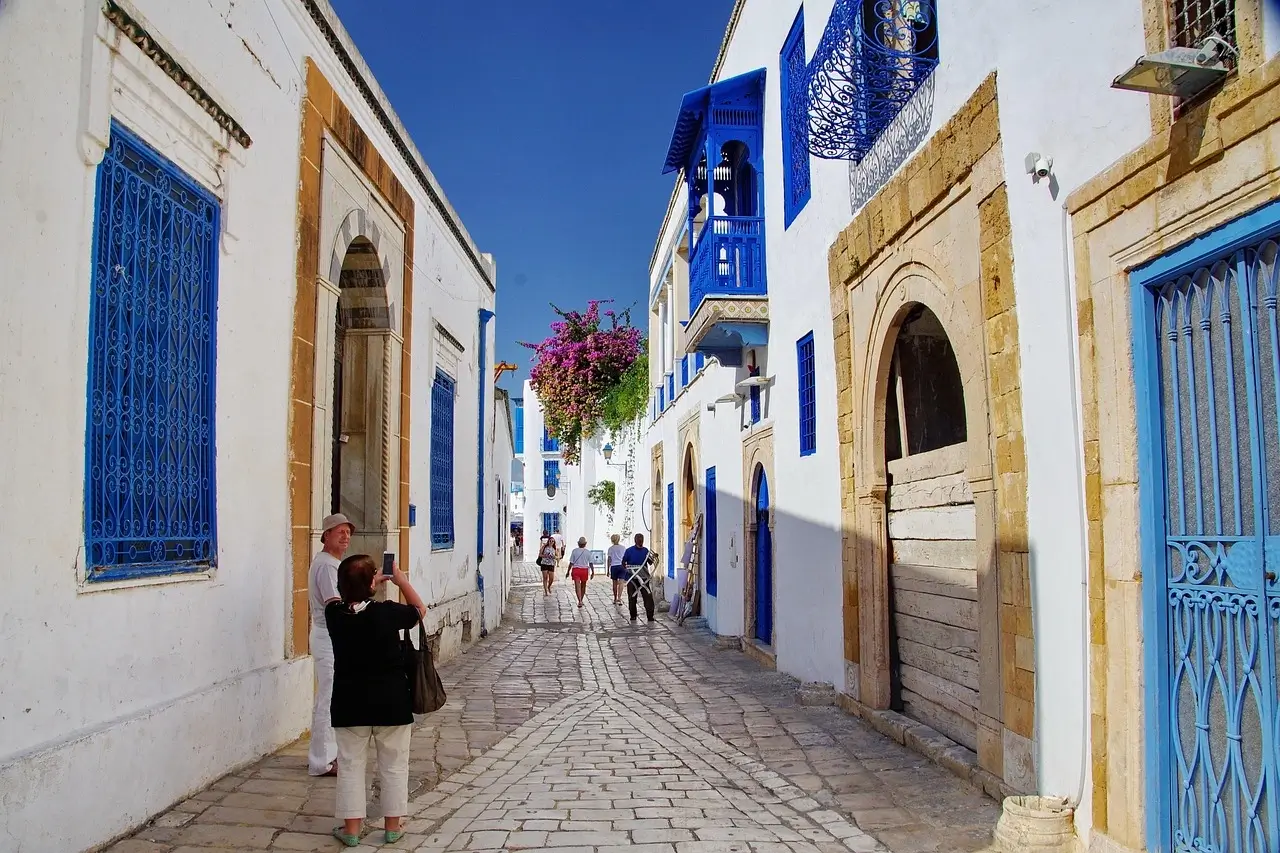
🌍 Why Perfume Lovers Are Turning to Tunisia for Their Next Signature Scent
For years, perfume lovers in the United States have looked to France, Italy, and the Middle East for inspiration. But recently, a quieter shift has been happening in the fragrance world. More enthusiasts, collectors, and niche perfume fans are turning their attention south—to Tunisia, a country whose scent heritage is finally gaining global recognition.
Blending Mediterranean freshness, North African warmth, and centuries-old traditions, Tunisia is emerging as an unexpected source of signature scents that feel both exotic and wearable. Here’s why this North African nation is capturing the curiosity of modern perfume lovers.
🌿 A Land Where Fragrance Is Part of Daily Life
In Tunisia, fragrance is not a luxury—it’s a cultural language. Scents are woven into everyday rituals, from weddings and religious gatherings to simple moments at home. This deep-rooted relationship with aroma gives Tunisian perfumes an authenticity that many mass-market fragrances lack.
Rather than chasing trends, Tunisian perfumery is shaped by:
- Local botanicals
- Seasonal harvests
- Oral traditions passed down through generations
For American perfume lovers seeking meaningful, story-driven scents, this cultural depth is incredibly appealing.
🌸 Indigenous Ingredients That Feel Fresh and Familiar
One of the main reasons perfume lovers are turning to Tunisia is its rich natural ingredient palette. Many notes feel familiar to Western noses, yet they carry a warmer, sun-soaked character.
Key Tunisian fragrance ingredients include:
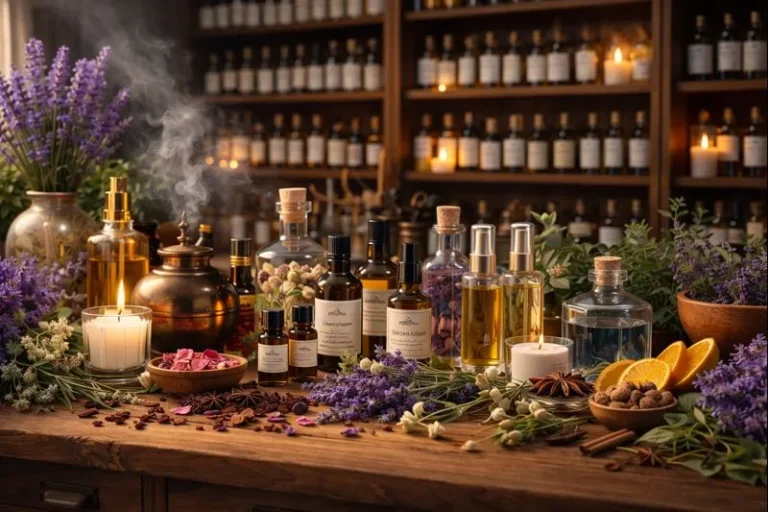
- Jasmine – intensely floral, slightly honeyed, and often harvested at dawn
- Orange blossom (Neroli) – fresh, luminous, and softly sweet
- Rose – deeper and spicier than its European counterparts
- Amber accords – warm, resinous, and long-lasting
These ingredients create perfumes that feel comforting yet distinctive, making them ideal as a signature scent rather than a one-time novelty.
🧪 Traditional Craft Meets Modern Niche Perfumery
What truly sets Tunisia apart is how tradition is merging with modern perfume creation. While artisanal techniques like slow maceration and oil-based blending are still respected, a new generation of perfumers is experimenting with contemporary structures.
This balance results in fragrances that:
- Develop slowly on the skin
- Feel intimate rather than overpowering
- Perform well in warm and moderate climates
For niche perfume lovers in the U.S., Tunisian scents offer an alternative to both ultra-synthetic designer perfumes and overly heavy Middle Eastern blends.
🔥 Why Tunisian Scents Appeal to the American Nose
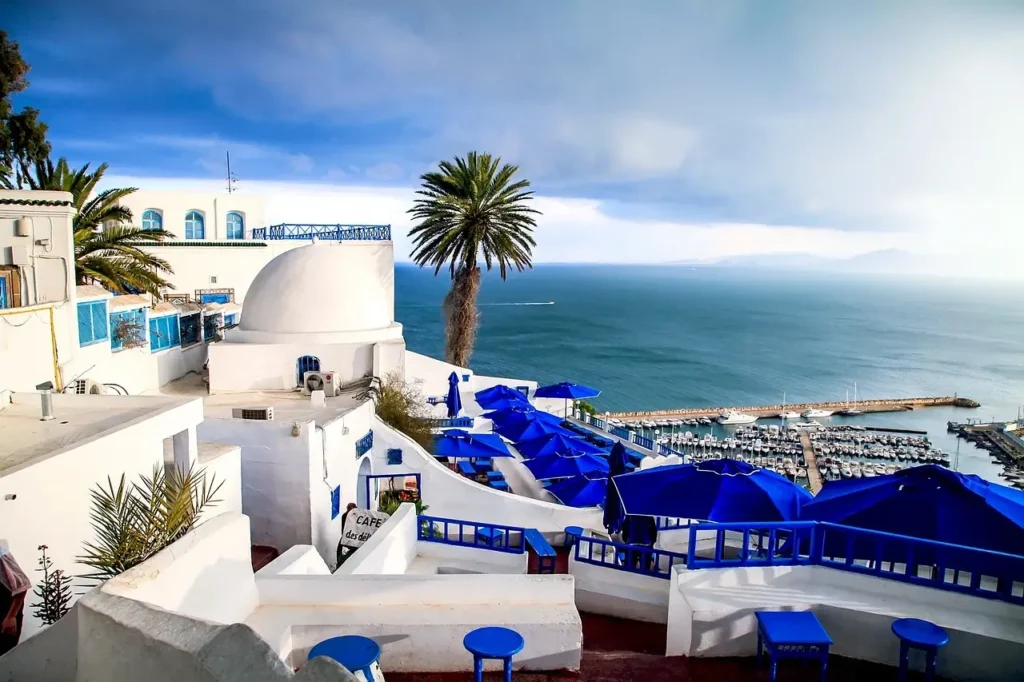
American perfume preferences have evolved. Today’s buyers often look for:
- Unique compositions
- Natural-smelling ingredients
- Scents that don’t feel “overdone”
Tunisian perfumes fit perfectly into this shift. They often sit between fresh and warm, floral and resinous—making them versatile for daily wear.
🇹🇳 Tunisia vs Traditional Perfume Powerhouses
| Feature | Tunisia | France | Middle East |
|---|---|---|---|
| Ingredient focus | Natural & local | Refined synthetics | Heavy resins & oud |
| Scent profile | Warm, balanced | Elegant, polished | Intense, bold |
| Wearability | Everyday-friendly | Occasion-based | Statement scents |
| Price accessibility | Often affordable | High-end pricing | Premium |
This balance is why many American perfume lovers see Tunisia as a sweet spot between familiarity and exploration.
🧭 Mediterranean Climate, Mediterranean Sensibility
Tunisia’s climate plays a quiet but crucial role in its fragrance identity. With sea breezes, hot summers, and mild winters, scents are designed to breathe on the skin rather than overwhelm it.
As a result, many Tunisian-inspired perfumes feature:
- Airy citrus openings
- Soft florals instead of sharp florals
- Warm bases that linger without heaviness
This makes them especially appealing to U.S. consumers living in warmer states like California, Texas, Florida, and Arizona.
🌍 Sustainability and Slow Perfumery
Another reason Tunisia is attracting global attention is its alignment with slow perfumery values. Many local producers rely on:
- Small-batch production
- Hand-harvested botanicals
- Minimal processing
For environmentally conscious perfume lovers, this approach adds emotional value. Buying a Tunisian-inspired scent often feels more personal than purchasing from a global fragrance conglomerate.
🧴 From Souks to Signature Scents
Historically, Tunisian fragrance culture thrived in local souks, where oils were blended on demand. Today, that same philosophy is influencing modern niche brands that focus on personalization and skin chemistry.
These perfumes tend to:
- Smell different on each wearer
- Evolve noticeably over hours
- Encourage emotional attachment
This experience-driven nature is exactly what many American fragrance enthusiasts are seeking as they move away from generic crowd-pleasers.
🌐 Tunisia’s Growing Presence in Global Fragrance Culture
While Tunisia may still be underrepresented on department store shelves, its influence is quietly spreading. Independent perfumers, fragrance bloggers, and niche perfume houses are increasingly highlighting Tunisian ingredients and inspirations.
As global perfume lovers become more adventurous, Tunisia’s scent identity feels perfectly timed—authentic, rich, and refreshingly understated.
If you enjoy discovering how unexpected regions are shaping modern perfumery, you may also like our previous article “Why Russian Perfumes Are the Dark Horses of the Fragrance World”, which explores another overlooked fragrance culture redefining niche scents from the ground up.
🌟 Final Thoughts: Is Tunisia the Next Fragrance Obsession?
Tunisia isn’t trying to compete with traditional perfume capitals—and that’s exactly why it’s winning hearts. Its fragrances tell quieter stories, linger closer to the skin, and offer something increasingly rare in perfumery: authentic character without excess.
As American perfume lovers continue searching for scents that feel personal, cultural, and timeless, Tunisia is no longer a secret—it’s a destination.
❓ Would you be curious to wear a Tunisian-inspired fragrance as your everyday signature scent, or do you prefer sticking with classic perfume regions? Share your thoughts in the comments below 👇
Discover more from Perfume Cultures
Subscribe to get the latest posts sent to your email.



One Comment